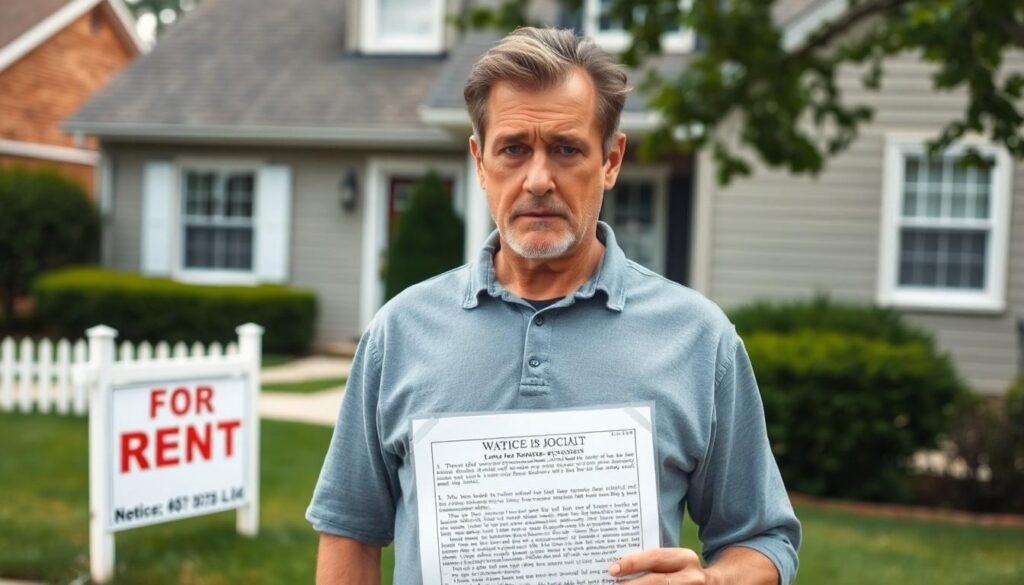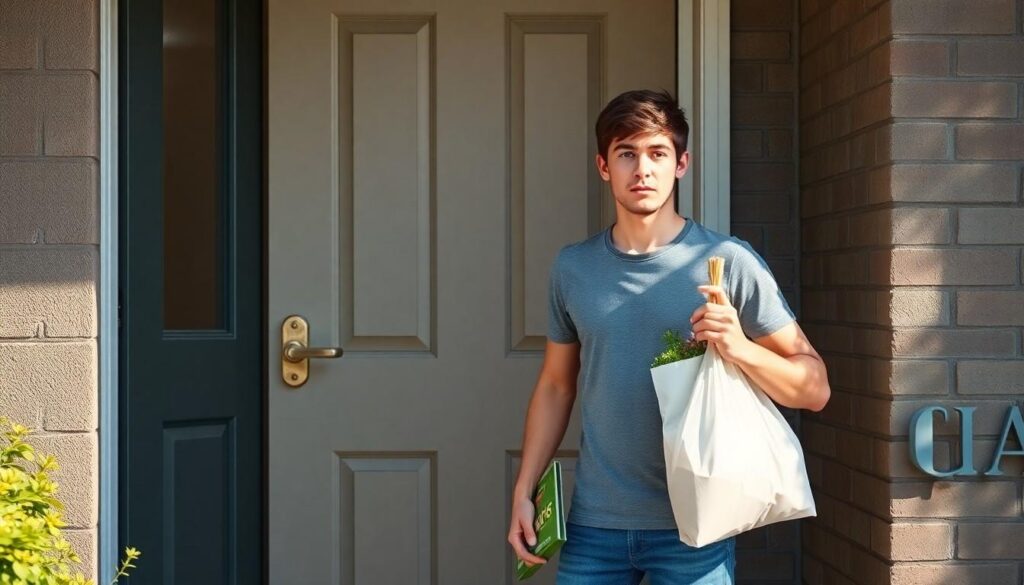
Being locked out of your own home can feel like a scene straight out of a sitcom. Picture this: you’ve just come back from a long day, arms full of groceries, only to discover your landlord decided to play a game of “let’s change the locks.” It’s frustrating and bewildering, but is it time to dial 911?
Understanding Tenant Rights
Being locked out of a residence can create distress. It’s crucial for tenants to understand their rights during such situations.
Legal Definition of Lockout
A lockout occurs when a landlord prevents a tenant from accessing their rental unit. Local laws often govern this definition, allowing either a legal eviction process or unauthorized lock changes. Many states prohibit landlords from using lockouts as a means of eviction. Legal definitions vary, so it’s important for tenants to check local statutes to understand their specific circumstances.
Rights of Tenants in The U.S.
In the United States, tenants possess several fundamental rights. These rights typically include the right to habitable living conditions, privacy, and protection against unlawful eviction. Tenants facing a lockout can pursue legal recourse, such as contacting local authorities or seeking assistance from housing agencies. Some states also allow tenants to recover damages if they experience illegal lockouts. Knowledge of these rights empowers tenants to take appropriate action when encountering housing-related issues.
When to Call the Police

Determining when to call the police during a lockout can depend on the circumstances. Tenants should recognize the difference between emergency and non-emergency situations.
Emergency Situations
Calling the police becomes necessary when someone’s safety is at risk. If a tenant feels threatened or is experiencing a domestic violence incident, it’s essential to involve law enforcement immediately. Severe cases may include illegal entry by the landlord or threats of violence. When a tenant is locked out in extreme weather, risking exposure to harsh elements, this qualifies as an emergency. It’s crucial that clarity exists about imminent danger to life, so prompt action can be taken.
Non-Emergency Situations
Non-emergency circumstances usually involve disputes over access rather than immediate threats. If a landlord has changed the locks without providing proper notice, it’s essential to gather evidence. Tenants can take photos of the locked door and document communication attempts with the landlord. It’s advisable to contact local housing authorities for guidance. Situations where a tenant simply requires access to retrieve personal belongings or responds to property maintenance issues are also considered non-emergencies. Calling the police in these instances may lead to unnecessary escalation. Instead, focusing on legal recourse and local tenant rights is more appropriate.
Steps to Take Before Calling the Police
Before reaching out to law enforcement, it’s essential to take certain steps. Preparing adequately helps clarify the situation and may resolve the issue without police intervention.
Gather Evidence
Document everything related to the lockout situation. Capture photos of the property and any visible locks or barriers that prevent access. Record timestamps of when you attempted to return home and any communication with the landlord. Written records of texts or emails can provide substantial proof of your interactions. Evidence strengthens your position if legal action becomes necessary.
Attempt Communication with the Landlord
Try contacting the landlord directly to discuss the lockout. Use phone calls, texts, or emails to express your concerns and seek clarification on the situation. Calmly articulate your rights as a tenant and request reentry to the premises. If the landlord is unresponsive, approach them in person if possible, but ensure your safety first. Open dialogue might lead to a quick resolution without involving authorities.
Potential Consequences of Calling the Police
Calling the police during a lockout can lead to various consequences, impacting both tenants and landlords.
For Tenants
Tenants face different repercussions when involving law enforcement. Officers may assess the situation and determine that it doesn’t qualify as an emergency, potentially leading to further frustration. Additionally, involving police may escalate tensions between the tenant and landlord, hindering future communication. Tenants could also risk their relationship with the landlord, which might affect lease renewal or other agreements. It’s crucial for tenants to weigh these outcomes before making the call. Understanding local laws and tenant rights can provide crucial context and influence decisions regarding police involvement.
For Landlords
Landlords should also consider the consequences of police involvement during a lockout. Authorities might respond by investigating the legality of the landlord’s actions, potentially uncovering unlawful eviction practices. Such scrutiny could result in financial penalties or legal action against the landlord. Maintaining an open line of communication with tenants remains vital in avoiding police intervention. Establishing trust and addressing concerns proactively may lead to resolutions that prevent escalated situations. By understanding both legal obligations and tenant rights, landlords can navigate these scenarios effectively and maintain a positive relationship with tenants.
Being locked out by a landlord can be a distressing experience. It’s essential for tenants to understand their rights and the legal framework surrounding lockouts. While calling the police may be appropriate in emergencies, it’s vital to assess the situation carefully. Non-emergency disputes are often better resolved through communication and documentation rather than police involvement.
By knowing local laws and maintaining open dialogue with landlords, tenants can navigate these challenges more effectively. Taking proactive steps can lead to quicker resolutions and help preserve the landlord-tenant relationship. Ultimately, awareness and preparedness can empower tenants to handle lockouts with confidence.