Table of Contents
TogglePlanning a renovation used to mean graph paper, catalogs, and a lot of crossed fingers. Not anymore. Home remodeling apps have transformed how DIYers and homeowners tackle everything from a kitchen refresh to a full-scale addition. These tools let anyone visualize design changes, estimate costs with real data, and keep contractors, timelines, and receipts organized in one place. Whether you’re deciding on cabinet finishes or trying to avoid another trip to the home center, the right app saves time, prevents expensive mistakes, and keeps projects moving forward when life gets chaotic.
Key Takeaways
- Home remodeling apps transform renovation planning by enabling visualization of design changes, accurate cost estimation, and centralized project management in one digital platform.
- Essential features to prioritize in home remodeling apps include 3D/AR visualization, material libraries with real product data, cost calculators with regional pricing, and offline access for job sites with poor connectivity.
- Visualization tools like Houzz and Roomle help homeowners test design decisions risk-free before purchasing materials, while budget apps like HomeAdvisor and HomeZada prevent costly overruns by tracking real-time expenses.
- For complex renovations, project management apps such as Buildertrend and CoConstruct streamline collaboration between homeowners, contractors, and designers while maintaining transparent budgets and schedules.
- Choosing the right app depends on your project scope, DIY skill level, and collaboration needs—test free trials before committing to ensure the interface matches your workflow and actual project requirements.
Why Use Home Remodeling Apps for Your Next Project?
Remodeling apps aren’t just digital eye candy, they solve real problems that have tripped up DIYers for decades.
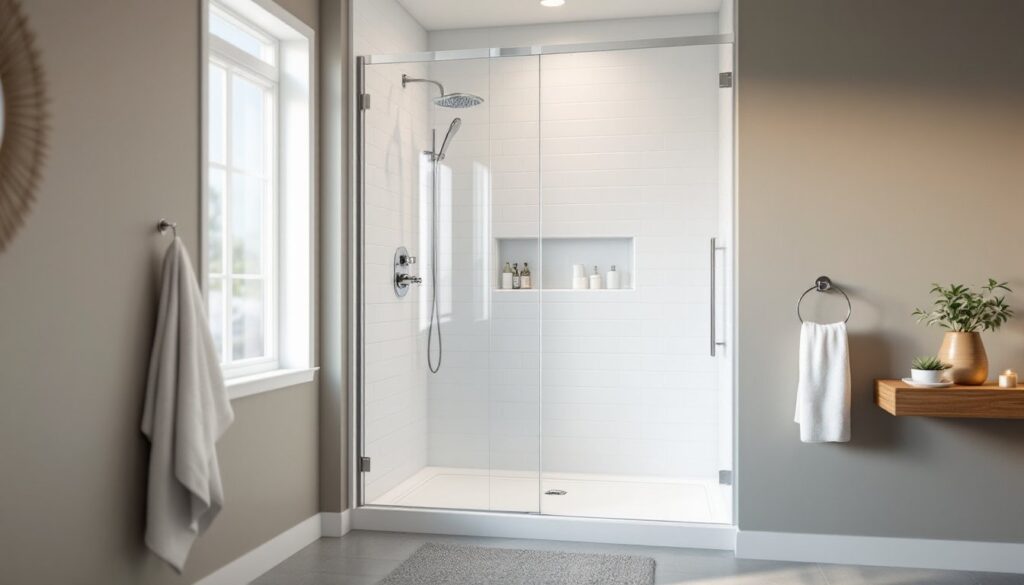
Visualization before commitment. Paint a wall digitally before cracking the can. See how that backsplash tile actually looks against your cabinets. Apps like Houzz let homeowners upload photos and layer in finishes, fixtures, and furniture before spending a dime. It’s a low-risk test drive for every design decision.
Accurate cost estimation. Budget blowouts kill projects. Many apps pull real-time pricing data for materials, labor, and permits based on your zip code. That’s more reliable than the neighbor’s cousin’s ballpark guess from 2019. Platforms like HomeAdvisor aggregate local contractor rates and material costs so estimates reflect current market conditions.
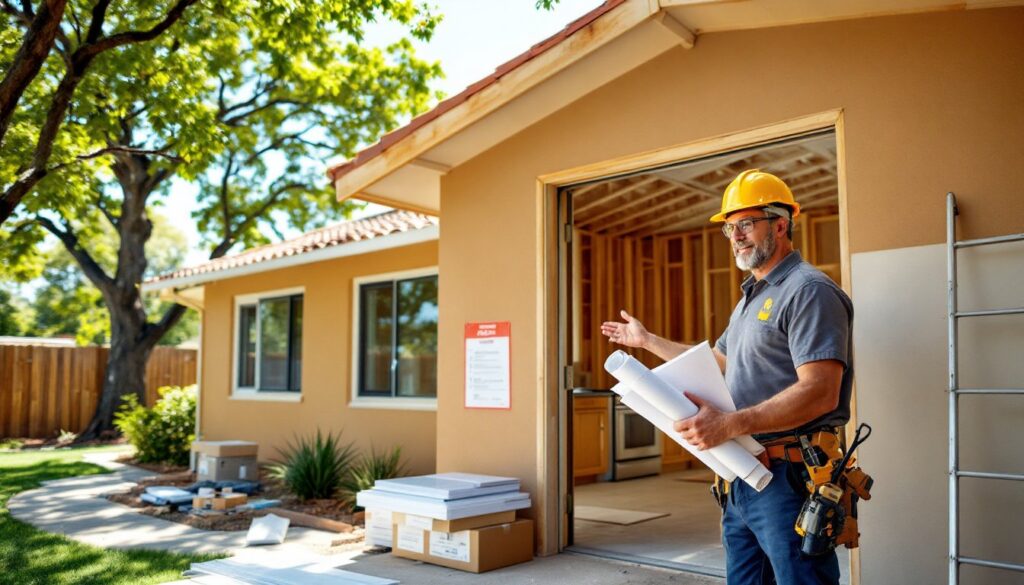
Centralized project management. Renovation involves a dozen moving parts: permits, inspections, delivery schedules, receipts, contractor comms. Keeping it all in a spreadsheet or your text messages is asking for trouble. Apps that manage tasks, deadlines, and budgets in one place reduce the mental load and keep everyone, from the tile guy to the building inspector, on the same page.
Fewer trips to the store. Measure twice, cut once. Apps with augmented reality (AR) features and precise measurement tools reduce guesswork. Less backtracking means fewer wasted weekends and fewer returns.
Top Features to Look for in Home Remodeling Apps
Not all apps are built the same. Here’s what separates the keepers from the uninstallers.
3D and AR visualization. The ability to see design changes in three dimensions, or overlaid on your actual room via your phone’s camera, is a game-changer. Look for apps that handle realistic lighting, texture rendering, and scale accuracy.
Material libraries. A solid app includes catalogs of real products: paint colors from major brands, tile patterns, cabinet styles, countertop finishes. Bonus points if the library links to actual SKUs and availability at local suppliers.
Cost calculators. Integrated estimators should account for materials, labor, waste factor, and regional pricing. Apps pulling data from ImproveNet or similar aggregators tend to be more accurate than static templates.
Measurement and layout tools. Digital tape measures, floor plan creators, and room scanners (using LiDAR or photogrammetry) cut down on manual measuring errors. If you’re planning cabinetry or tile layout, precision matters.
Collaboration and sharing. If you’re working with a contractor, designer, or even a handy spouse, the app should let multiple users view, comment, and update. Cloud sync keeps everyone current.
Offline access. Job sites don’t always have great cell service. Apps that cache plans, photos, and task lists offline keep the work moving when Wi-Fi doesn’t.
Best Apps for Room Visualization and 3D Design
Houzz. The granddaddy of design inspiration also offers a solid View in My Room 3D feature. Upload a photo of your space, then drop in products from Houzz’s massive catalog. It’s especially strong for kitchens, baths, and built-ins. The app integrates with pros, so when you’re ready to hire, you can connect directly with contractors and designers who’ve done similar work.
Roomle. This one excels at furniture and fixture placement with real-time 3D rendering. Drag and drop cabinets, countertops, appliances, or lighting and see how they fit, down to the inch. It’s particularly useful if you’re working within tight clearances or odd room shapes. The interface is clean and doesn’t require a design degree to navigate.
Planner 5D. A more robust tool for full room or whole-home design. You can build floor plans from scratch, adjust wall heights, add windows and doors, then furnish and finish in 3D. It’s overkill for a simple paint refresh but ideal for additions, open-concept conversions, or multi-room remodels. The learning curve is steeper, but the detail level is professional-grade.
Magicplan. Uses your phone’s camera to scan and generate floor plans in minutes. Walk the room, tap corners, and the app builds a scaled layout. Then layer in design elements, materials, and notes. It’s a time-saver for anyone tackling flooring, cabinetry, or furniture layout without pulling out a tape measure every five minutes.
Apps for Budget Planning and Cost Estimation
HomeAdvisor. Beyond contractor matching, HomeAdvisor offers cost guides and project calculators that break down labor, materials, and permits by region. Input your project scope, say, a 10×12 kitchen backsplash or a full bathroom gut, and get a range based on local pricing. It’s not gospel, but it’s a solid starting point before you get bids.
ImproveNet. Similar to HomeAdvisor but with more granular material cost breakdowns. The app pulls data from supplier pricing and recent project reports. Useful if you’re comparing finishes (e.g., laminate vs. quartz countertops) and want real numbers, not manufacturer hype.
HomeZada. This one’s a digital home management hub that includes budgeting and cost tracking. Create a remodel project, add line items for materials and labor, track receipts, and monitor spending in real time. It’s less about estimation and more about keeping the actual budget from spiraling. Good for DIYers who buy materials piecemeal and need to see where the money’s going.
Buildertrend (for pros and serious DIYers). If you’re managing a large renovation or acting as your own general contractor, Buildertrend offers detailed budgeting, change order tracking, and financial reporting. It’s overkill for a weekend paint job, but if you’re adding a second story or finishing a basement, it keeps the money side transparent and organized.
Project Management Apps to Keep Your Renovation on Track
Trello. Simple, visual, and flexible. Create boards for each phase of your remodel, demo, framing, electrical, finish work, then add cards for tasks, deadlines, and notes. Attach photos, receipts, and PDFs. It’s not purpose-built for construction, but it’s easy to customize and free for basic use. Perfect for DIYers who don’t need heavy-duty scheduling.
CoConstruct. Built for remodelers and custom builders, this app handles scheduling, budgets, client communication, and change orders. If you’re hiring multiple subs or working with a designer, CoConstruct keeps everyone synced. It’s subscription-based and geared toward contractors, but serious DIYers managing complex projects can benefit.
Buildertrend. Also strong on project management (see budget section above). Gantt charts, task dependencies, daily logs, photo documentation, and punch lists. If you’ve taken <a href="https://hearthmindhomes.com/home-improvement-classes-near-me/”>home improvement classes and are ready to tackle a big project solo, this keeps the workflow professional.
Evernote. Not remodel-specific, but incredibly useful. Snap photos of product tags, dimensions scribbled on studs, or paint chips. Clip web articles on wiring diagrams or tile patterns. Tag everything by room or trade. It’s a digital job site notebook that syncs across devices and survives job site chaos.
Google Keep. Even simpler than Evernote. Quick notes, checklists, photos, and voice memos. Color-code by project phase. Share lists with your partner or contractor. It’s lightweight and free, ideal for smaller projects or anyone who just needs a reliable to-do list that doesn’t get lost in the sawdust.
How to Choose the Right Remodeling App for Your Needs
Match the tool to the project scope. A powder room refresh doesn’t need a full-blown project management suite. A kitchen gut-and-remodel does. Start with what you actually need, visualization, budgeting, or task tracking, and go from there.
Consider your DIY skill level. If you’re a seasoned DIYer comfortable with layouts and code requirements, a more detailed app (Planner 5D, Buildertrend) won’t intimidate you. If you’re newer to remodeling, stick with intuitive interfaces like Houzz or Trello.
Check platform compatibility. Some apps work best on tablets (for on-site plan viewing), others are phone-first. If you’re collaborating with a contractor, make sure the app supports sharing and multi-user access.
Factor in cost. Many apps offer free tiers with limited features. For a one-time remodel, that’s often enough. Subscription-based tools make sense if you’re planning multiple projects or acting as your own GC.
Look for integration. Apps that connect with supplier inventories, contractor directories, or other project tools reduce friction. If you’re pricing materials or scheduling subs, seamless handoffs save time.
Test before committing. Most apps offer free trials or freemium models. Download a couple, mock up part of your project, and see which interface clicks. The best app is the one you’ll actually use, not the one with the longest feature list.
Conclusion
Home remodeling apps won’t swing the hammer for you, but they’ll make every other part of the job easier. From nailing down design decisions to keeping the budget honest and the schedule tight, the right digital tools turn chaos into a manageable process. Download a few, test them on your next project, and spend less time second-guessing and more time building.