Table of Contents
ToggleWaukesha’s housing market has homeowners looking inward, not to move, but to improve. With a blend of historic homes near downtown and suburban builds from the ’70s through the early 2000s, the city’s residential landscape is ripe for remodeling projects that modernize layouts, boost energy efficiency, and enhance day-to-day comfort. Whether you’re tackling a dated kitchen, converting a basement into livable square footage, or finally addressing that single-bathroom bottleneck, a strategic remodel can deliver both immediate quality-of-life gains and long-term property value. This guide walks through the local considerations that matter: popular project types, budgeting realities, Waukesha’s permitting landscape, and how to vet contractors in a competitive market.
Key Takeaways
- Home remodeling in Waukesha offers a cost-effective alternative to selling, allowing homeowners to avoid higher mortgage rates while adding desired features like extra bedrooms and updated bathrooms without leaving established neighborhoods.
- Energy-efficiency upgrades such as triple-pane windows, spray-foam insulation, and variable-speed heat pumps can reduce utility bills by 20–40% annually in Waukesha homes, often recouping costs faster than cosmetic improvements.
- Kitchen renovations typically cost $25,000–$45,000 in Waukesha and deliver the highest resale value, but strategic choices like maintaining layouts and improving storage offer better ROI than relocating plumbing and gas lines.
- Bathroom remodels in Waukesha require proper moisture management with cement backer board, waterproofing membranes, and exterior-vented exhaust fans to prevent mold damage caused by Wisconsin’s freeze-thaw cycles.
- Waukesha building permits are required for structural, mechanical, electrical, and plumbing work, with costs ranging from $50–$600 depending on scope; early consultation with a structural engineer is essential if removing load-bearing walls.
- Request itemized bids from three contractors, budget 15–20% contingency for unexpected repairs, and use milestone-based payment schedules to protect your investment in Waukesha home remodeling projects.
Why Waukesha Homeowners Are Choosing to Remodel Now
Mortgage rates and inventory constraints have shifted the math for many Waukesha residents. Selling and moving up often means trading a sub-4% mortgage for a 6%+ rate on a higher principal, plus closing costs and realtor commissions. Remodeling lets homeowners add the features they want, extra bedrooms, open-concept living, updated baths, without resetting the interest clock or leaving established neighborhoods near schools and Retzer Nature Center.
Energy efficiency is another driver. Waukesha winters demand robust heating, and many older homes have original single-pane windows, uninsulated rim joists, and dated HVAC systems. Upgrading to triple-pane windows, adding spray-foam insulation, and installing variable-speed heat pumps can cut utility bills by 20–40% annually, paying for themselves faster than most cosmetic upgrades.
Finally, Waukesha’s stable property values make remodeling a lower-risk investment. Unlike volatile urban markets, mid-sized cities with diversified employers and good school districts tend to see steady appreciation, meaning a well-executed kitchen or bathroom renovation will likely recoup 70–90% of its cost at resale, and deliver full value in livability before that.
Most Popular Home Remodeling Projects in Waukesha
Kitchen Renovations That Add Value
Kitchens anchor Waukesha remodels for a reason: they’re the highest-traffic room and the focal point during home tours. A mid-range kitchen update, new cabinets (or refaced boxes with new doors), quartz or butcher-block countertops, subway-tile backsplash, and stainless appliances, typically runs $25,000–$45,000 in the Waukesha area, depending on square footage and finish selections.
If the existing layout works, stick with it. Moving plumbing and gas lines adds $2,000–$5,000 per fixture relocated, plus the cost of rerouting electrical and updating vent stacks to meet current IRC and IECC codes. Instead, invest in better storage: roll-out shelves, soft-close drawer glides, and a pantry cabinet with adjustable shelving improve daily function more than repositioning the sink.
Flooring matters. Many Waukesha homes still have sheet vinyl or builder-grade laminate. Luxury vinyl plank (LVP) offers water resistance, easy installation (often click-lock over existing subfloor), and realistic wood-look finishes for $3–$6 per square foot installed. For those willing to invest more, engineered hardwood in 5″ or wider planks can tie the kitchen visually to adjacent living spaces, though it requires sealing around the dishwasher and sink to prevent water damage.
Bathroom Upgrades for Comfort and Resale
Bathroom remodels in Waukesha range from simple cosmetic refreshes, new vanity, mirror, lighting, and paint, for around $3,500–$7,000, to full gut jobs that reconfigure layout and upgrade plumbing, which can hit $15,000–$30,000 for a standard 5’×8′ bath.
Prioritize moisture management. Wisconsin’s freeze-thaw cycles and humid summers stress bathroom envelopes. Install a cement backer board (not green drywall) behind tile, apply RedGard or similar waterproofing membrane on floors and wet walls, and run the exhaust fan to an exterior vent, never into the attic. A properly vented 70–110 CFM fan (sized for the room’s square footage) prevents mold and extends the life of finishes.
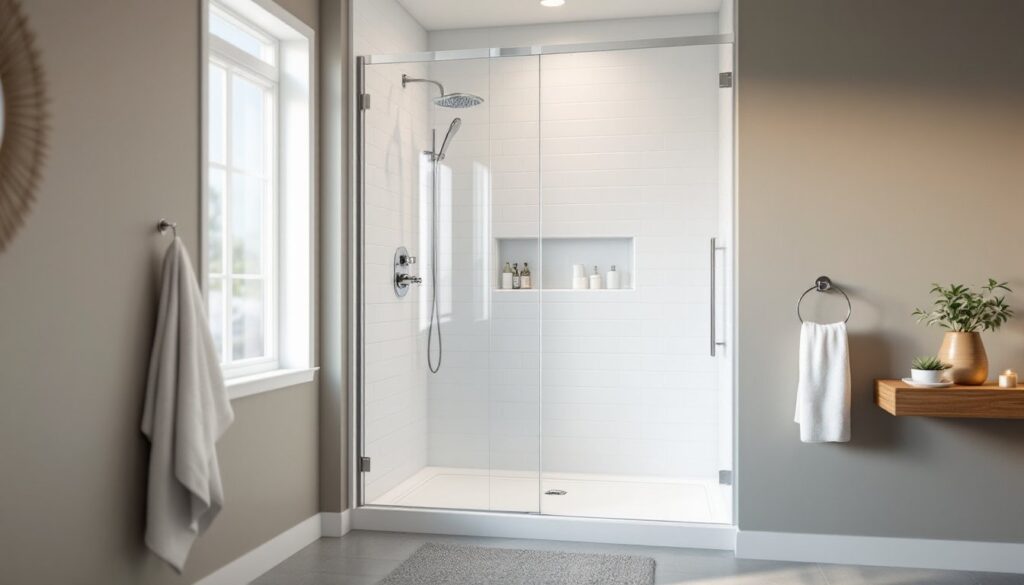
If space and budget allow, zero-threshold walk-in showers are increasingly popular. They improve accessibility for aging-in-place scenarios and read as high-end to buyers. Use a linear drain set into a sloped mortar bed or foam pan, and tile in 12″×24″ porcelain planks to minimize grout lines. Pair with a thermostatic valve to prevent scalding and meet current UPC (Uniform Plumbing Code) recommendations, which many Waukesha inspectors follow even though Wisconsin adopts a modified IRC.
Planning Your Waukesha Remodeling Project: Budget and Timeline Tips
Start by defining scope in writing. Vague goals (“update the kitchen”) lead to scope creep. Instead, list deliverables: replace cabinets, install quartz counters, add undercabinet LED lighting, refinish floors. Share that list with three contractors for line-item bids, which makes comparisons easier and surfaces hidden costs.
Budget 15–20% contingency for unknowns. Waukesha’s older housing stock often hides outdated wiring (knob-and-tube or ungrounded cloth Romex), undersized service panels, or subfloor rot near plumbing. Contractors can’t price what they can’t see until demo starts. According to cost estimators, unexpected structural repairs account for roughly 10–15% of total project spend in homes over 40 years old.
Timeline realities: materials lead times and contractor availability drive schedules more than labor hours. Custom cabinets can take 8–12 weeks from order to delivery, windows 6–10 weeks, and popular tile patterns may require special orders. Book contractors 3–6 months ahead for spring and summer slots: fall and winter offer shorter waits but can delay exterior work if weather turns.
Financing options include home equity lines of credit (HELOCs), cash-out refinances, and personal loans. HELOCs typically offer the lowest rates for homeowners with 20%+ equity, though rates are variable. Personal loans cap at $50,000–$100,000 and carry higher fixed rates but require no lien on the home.
Navigating Waukesha Building Permits and Regulations
Waukesha requires permits for most structural, mechanical, electrical, and plumbing work. Kitchen and bathroom remodels almost always trigger permits if you’re moving walls, upgrading electrical panels, rerouting drains, or installing new HVAC zones. Cosmetic updates, paint, flooring, cabinet replacement without plumbing changes, typically don’t require permits, but check with the city’s Development Services Department before starting.
Permit fees vary by project scope. A basic electrical permit for panel upgrades and new circuits runs around $50–$150, while a combination permit for a kitchen gut (electrical, plumbing, mechanical, structural) can reach $300–$600 depending on valuation. Inspections occur at rough-in and final stages: expect 2–5 business days for inspector availability.
Load-bearing walls are common in Waukesha’s ranch and two-story colonials. Removing or altering them requires an engineer’s stamped drawing showing the new beam (typically an LVL or steel I-beam) and support posts. Many home service providers recommend hiring a structural engineer early if you’re opening up walls: retrofitting a header after demo reveals a bearing wall can add $2,500–$5,000 in materials and labor.
Electrical code: Waukesha follows the Wisconsin State Electrical Code, which adopts most NEC (National Electrical Code) provisions. Kitchens require two 20-amp small-appliance circuits, GFCI protection on all countertop receptacles, and AFCI breakers on most 15/20-amp branch circuits. Bathrooms need a dedicated 20-amp GFCI circuit. Licensed electricians pull permits: DIY electrical work is allowed for owner-occupied homes but must still pass inspection.
Finding the Right Remodeling Professionals in Waukesha
Start with referrals from neighbors who’ve completed similar projects. Waukesha’s nextdoor groups and Facebook community pages often surface contractors who’ve proven themselves locally. Verify licensing and insurance: Wisconsin doesn’t require a general contractor license for most residential remodeling, but specialized trades (electricians, plumbers, HVAC) must hold state credentials. Ask for proof of general liability insurance (minimum $1 million coverage) and workers’ comp if the crew exceeds two people.
Request three references from projects completed in the past 12 months. Call them. Ask about timeline accuracy, communication during problems, and cleanliness. A contractor who ghosts for three days when the tile shipment arrives late will do the same to you.
Get itemized bids, not lump-sum estimates. Line items should break out labor, materials, permits, and disposal fees. If one bid is 20%+ lower than the others without clear explanation (e.g., using different materials or excluding demolition), that’s a red flag. Rock-bottom pricing often signals corner-cutting or a contractor who’ll demand change orders once work starts.
Payment schedules should tie to milestones: 10–20% deposit, 30–40% after demo and rough-in, 30–40% after substantial completion, and 10–20% final payment after punch-list items and final inspection. Never pay the full balance before the permit is closed and you’ve walked the project with the contractor. Many renovation experts emphasize that withholding final payment protects homeowners if minor issues surface during the first weeks of use.
Remodeling in Waukesha isn’t just about aesthetics, it’s about adapting homes built for a different era to the way people live now. Done right, a kitchen, bathroom, or whole-home update enhances comfort, cuts energy waste, and positions your property competitively whether you stay for decades or sell next year.