Table of Contents
ToggleAnnapolis homeowners face unique remodeling challenges, historic district regulations, coastal humidity that tests building materials, and a housing stock that blends colonial-era charm with modern waterfront living. Whether upgrading a Eastport bungalow or renovating a downtown historic row house, local projects demand more than generic advice. This guide walks through the permits, budgets, project priorities, and contractor decisions specific to remodeling in Maryland’s capital, so homeowners can plan smart and avoid costly mistakes.
Key Takeaways
- Home remodeling in Annapolis MD requires careful planning for historic district regulations, coastal humidity, and aging housing stock that often contains outdated electrical and plumbing systems.
- Kitchen and bathroom renovations are the top remodeling projects, with kitchens ranging from $25,000 for cosmetic updates to $75,000+ for full gut renovations including structural changes.
- Anne Arundel County permits are mandatory for electrical, plumbing, structural, HVAC, and roof work, with Historic Preservation Commission approval adding 4-8 weeks for projects in historic districts.
- Construction costs in Annapolis run 10-20% higher than national averages, so maintain a 15-20% contingency fund to cover structural surprises and hidden costs like lead paint abatement.
- Hire licensed professionals for electrical, plumbing, structural, roofing, and HVAC work, but DIY-friendly tasks like painting, flooring, and trim installation can reduce labor costs by 30-40%.
- Moisture-resistant materials like fiber cement siding, cementboard, and luxury vinyl plank are essential in Annapolis’s humid climate to prevent mold and prolong material lifespan.
Why Annapolis Homeowners Are Investing in Remodeling Projects
The Annapolis housing market has stayed competitive through 2026, with median home values holding steady even as interest rates fluctuate. Many homeowners are choosing to renovate rather than relocate, especially in established neighborhoods like Murray Hill, Parole, and the historic district where inventory stays tight.
Coastal exposure drives specific upgrade priorities. Moisture-resistant materials matter here, fiber cement siding outperforms vinyl in salt air, and proper ventilation in bathrooms and kitchens prevents mold in a climate where humidity regularly hits 80% in summer. Homeowners also invest in energy efficiency to offset rising utility costs, adding insulation to attics (bringing R-values up to R-38 or higher) and replacing single-pane windows with low-E double-glazed units.
Historic preservation plays a role for properties in the Colonial Annapolis Historic District. The Historic Preservation Commission (HPC) reviews exterior changes, which can add 4-6 weeks to project timelines but also protects property values and neighborhood character. Even outside the historic district, many homeowners preserve original details like wood trim, hardwood floors, and brick chimneys during updates.
Finally, aging housing stock creates opportunities. Many Annapolis homes date to the 1950s-1980s, meaning outdated electrical panels (60-100 amp service), galvanized plumbing, and undersized HVAC systems. Remodeling projects often become the trigger for necessary infrastructure upgrades that improve safety and resale value.
Most Popular Home Remodeling Projects in Annapolis
Kitchen Renovations
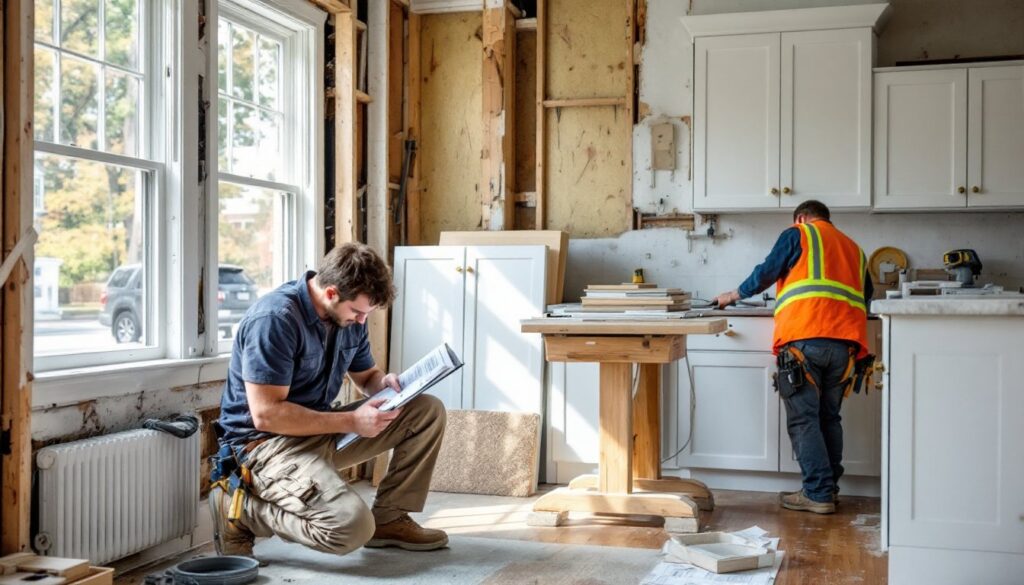
Kitchen remodels consistently top the list for Annapolis homeowners, driven by outdated layouts and the desire for open-concept living. Typical projects range from $25,000 for a cosmetic refresh (new cabinet fronts, countertops, appliances, and backsplash) to $75,000+ for a full gut renovation with relocated plumbing, new electrical, and structural changes like removing a load-bearing wall.
Popular upgrades include quartz countertops (more stain-resistant than marble in a humid climate), shaker-style cabinets in white or navy, and luxury vinyl plank (LVP) flooring that handles moisture better than hardwood near sinks and dishwashers. Homeowners also invest in proper ventilation, a 400+ CFM range hood vented to the exterior prevents grease buildup and moisture damage.
Permits are required for any work involving plumbing, electrical, or structural changes. Anne Arundel County requires separate permits for each trade, and inspections must occur before covering walls. Budget 2-3 months for a mid-range kitchen remodel, longer if custom cabinetry or HPC approval is needed.
Bathroom Upgrades
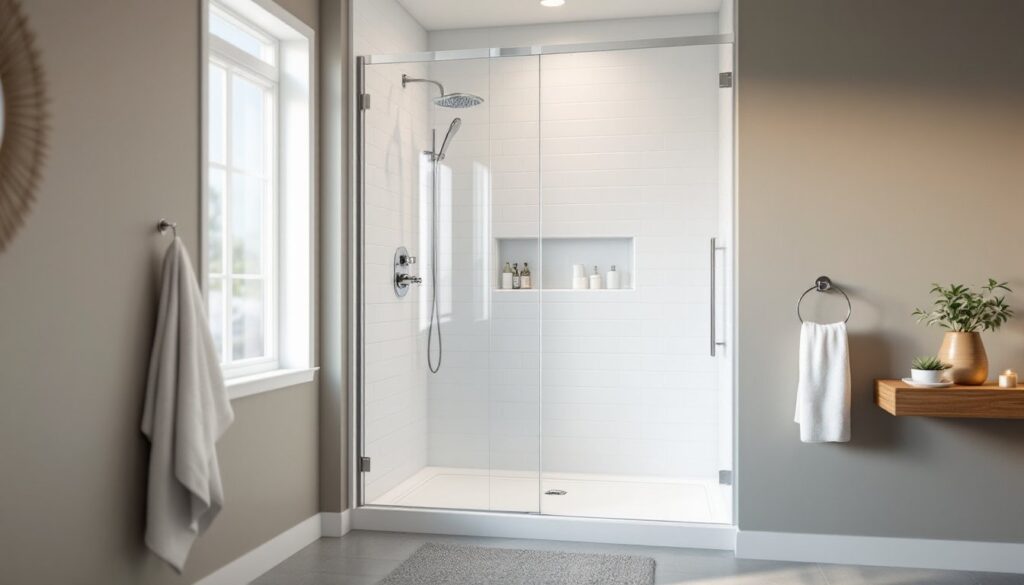
Bathroom renovations in Annapolis focus on mold prevention and aging-in-place features. Coastal humidity makes proper exhaust fans (rated for 50+ CFM per the IRC) and moisture-resistant materials non-negotiable. Cementboard or Schluter systems behind tile prevent rot, and epoxy grout resists mildew better than traditional sanded grout.
Common upgrades include walk-in showers with curbless entries (requires proper slope and waterproofing, hire a licensed tile setter if you’re not experienced), comfort-height toilets, and grab bars installed into blocking between studs. These features appeal to buyers across age groups and often return 60-70% of cost at resale, according to data from national cost estimators.
Powder room updates run $8,000-$15,000, while a primary bath with a separate shower and tub easily reaches $30,000-$50,000. Expect permits for electrical (GFCI outlets required within 3 feet of water sources) and plumbing, plus possible demo fees for older homes with asbestos-containing flooring or lead paint.
Understanding Local Permits and Regulations for Annapolis Remodels
Anne Arundel County administers building permits for Annapolis (the city doesn’t have a separate building department). Permits are required for:
- Electrical work beyond replacing outlets or fixtures (panel upgrades, new circuits, rewiring)
- Plumbing changes (moving fixtures, adding bathrooms, water heater replacement)
- Structural modifications (removing walls, adding windows/doors, deck construction)
- HVAC installation or replacement (permits ensure proper load calculations and duct sizing)
- Roof replacement (inspection verifies proper flashing and ventilation)
Cosmetic work like painting, flooring, or cabinet installation typically doesn’t require permits, but always confirm with the county before starting.
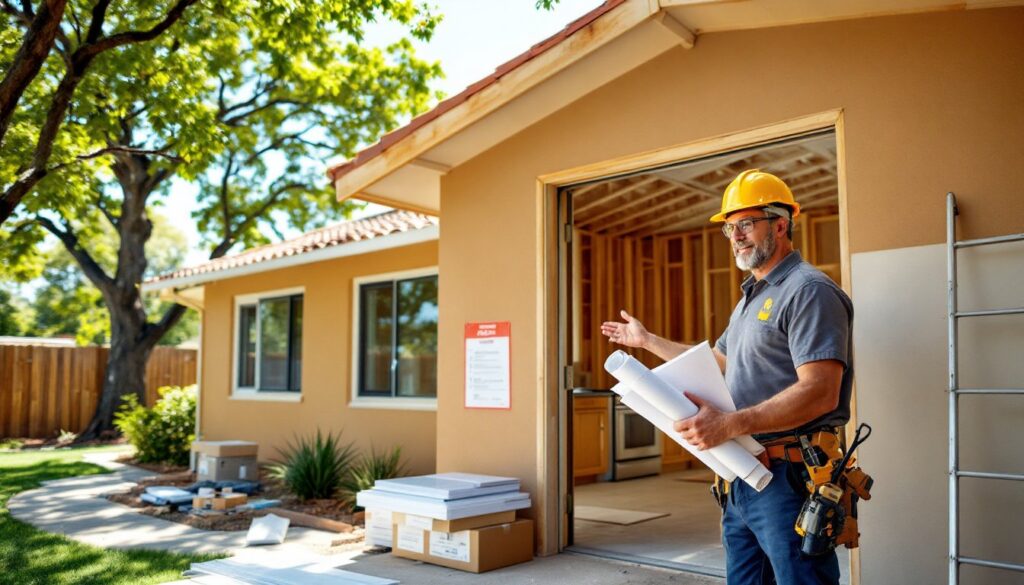
Historic district projects face additional review. If your property is within the Colonial Annapolis Historic District or local historic districts (like Eastport), the HPC must approve exterior changes including siding, windows, roofing materials, paint colors, and site work. Submit detailed drawings and material samples: approval can take 4-8 weeks. Interior work doesn’t require HPC approval unless it affects the exterior.
Setback and zoning rules matter for additions. Most residential zones require 5-10 foot side setbacks and 20-30 foot rear setbacks, but these vary by zone and lot size. The county zoning office can provide your specific requirements, don’t assume a neighbor’s project sets precedent.
Permit fees range from $50 for simple electrical permits to $500+ for major additions, calculated as a percentage of project value. Inspections occur at rough-in stages (before covering walls) and final completion. Failed inspections delay projects and cost money, hire licensed contractors for structural, electrical, and plumbing work to avoid issues.
Budgeting Your Annapolis Home Remodeling Project
Construction costs in the Annapolis area run 10-20% higher than national averages, driven by labor rates, coastal building requirements, and material transport costs. General contractors typically charge 15-25% markup over subcontractor and material costs.
Realistic budget ranges for common projects:
- Basement finishing: $30-$60 per square foot (includes framing, drywall, flooring, electrical, HVAC: higher if adding a bathroom or dealing with moisture issues)
- Deck construction: $35-$55 per square foot for pressure-treated lumber, $60-$100+ for composite decking like Trex or Azek (holds up better in humidity)
- Whole-house painting (exterior): $4,000-$8,000 depending on size, siding type, and prep work needed
- Window replacement: $450-$900 per window installed (vinyl double-hung), $800-$1,500 for wood or fiberglass
- Flooring (material + install): $8-$12/sq ft for LVP, $12-$18/sq ft for engineered hardwood, $15-$25/sq ft for tile
Hidden costs to plan for:
- Lead paint and asbestos abatement in pre-1978 homes (testing costs $300-$500, abatement runs $1,500-$5,000+ depending on scope)
- Structural surprises (rot around windows, undersized framing, outdated wiring) add 10-20% to budgets once walls are open
- Permit fees and inspection costs (2-4% of total project cost)
- Temporary housing or pod rental for major renovations ($150-$300/month for a storage pod, hotels obviously much higher)
Compare estimates from at least three licensed contractors, and verify that bids include the same scope, materials, and permit costs. Sites like Angi and ImproveNet offer local cost benchmarks, though actual quotes will vary based on your specific property and finishes.
Always maintain a 15-20% contingency fund for unexpected issues. In older Annapolis homes, that’s not pessimism, it’s planning.
DIY vs. Hiring Professionals: What Annapolis Homeowners Need to Know
DIY-friendly projects that don’t require permits or specialized skills:
- Painting (interior and exterior, as long as lead paint isn’t present)
- Installing LVP flooring (floats over existing subfloor, requires utility knife and patience)
- Replacing vanities and toilets (if not moving plumbing locations)
- Basic carpentry (trim, shelving, cabinet installation)
- Tile backsplashes (smaller areas are forgiving for learning)
When to hire a licensed pro:
- Electrical work beyond fixture swaps. Maryland requires licensed electricians for panel upgrades, new circuits, and anything involving the service entry. Homeowner permits exist but inspectors hold DIYers to the same NEC standards, if you don’t know the difference between AFCI and GFCI requirements, hire out.
- Plumbing relocations or new rough-ins. Replacing a faucet is DIY-friendly: moving a sink or adding a bathroom requires permits, proper venting per the IPC, and soldering or PEX skills.
- Structural changes. Removing walls, cutting joists, or modifying foundations requires engineering calculations and permits. Load-bearing walls need properly sized headers (often doubled 2x10s or LVL beams), and mistakes compromise safety.
- Roofing in Annapolis humidity. Ice-and-water shield, proper flashing around chimneys, and adequate attic ventilation prevent rot and leaks. Unless you’re experienced and comfortable on a ladder, hire a licensed roofer.
- HVAC work. Maryland requires licensed HVAC contractors for installations. Load calculations (Manual J) ensure proper system sizing, undersized units run constantly, oversized units cycle inefficiently.
The hybrid approach works for many homeowners: do the demo, painting, and finishing work yourself, but hire licensed subs for rough-ins. This cuts labor costs by 30-40% while keeping inspections and code compliance on track.
Safety gear isn’t optional. Wear safety glasses when cutting, dust masks (N95 or better) when sanding or demoing pre-1978 materials, hearing protection for power tools, and work gloves for handling lumber and demolition. Annapolis has two urgent care centers, but nobody wants to visit them because they skipped goggles.