Table of Contents
ToggleWilmington’s housing market is heating up, and homeowners across the Port City are choosing to remodel rather than relocate. Whether you’re updating a century-old bungalow in Carolina Heights or modernizing a ranch in Ogden, a well-planned renovation can transform your daily living experience and boost your home’s value. This guide walks through everything Wilmington homeowners need to know before swinging the first hammer, from navigating New Hanover County’s permit process to budgeting for coastal climate considerations.
Key Takeaways
- Home remodeling in Wilmington is a smarter financial alternative to relocating, as rising home values and high mortgage rates make renovations more cost-effective than purchasing new properties.
- Kitchen and bathroom remodeling are the most popular projects in Wilmington, with mid-range kitchen renovations costing $25,000–$55,000 and bathroom updates ranging from $8,000–$18,000, depending on finishes and complexity.
- Wilmington’s coastal climate demands humidity-resistant materials, exterior-venting range hoods, and hurricane-preparedness upgrades like impact-resistant windows and reinforced doors as standard considerations.
- All structural changes, electrical work, plumbing modifications, roof replacements, and additions require New Hanover County permits before work begins, with approval typically taking one to three weeks and fines possible for unpermitted work.
- Always obtain multiple contractor bids, verify insurance and licensing, build a 15–20% contingency into your budget for unexpected issues common in older Wilmington homes, and schedule inspections at key project milestones.
Why Wilmington Homeowners Are Remodeling Now
Home values in Wilmington have climbed steadily over the past three years, making remodeling a smarter financial move than trading up. Instead of facing 7%+ mortgage rates on a new purchase, many homeowners are tapping home equity lines to fund renovations on their current properties.
Wilmington’s coastal climate also drives specific remodeling needs. Salt air accelerates exterior paint degradation and hardware corrosion. Humidity levels demand better ventilation systems in bathrooms and kitchens. Hurricane preparedness upgrades, impact-resistant windows, reinforced garage doors, storm shutters, are becoming standard considerations rather than afterthoughts.
The region’s growing population has increased contractor wait times. Scheduling a full kitchen remodel now often means booking six to eight weeks out during peak season (March through October). Starting projects in late fall or winter can sometimes shorten lead times and secure better rates from contractors looking to fill their calendars.
Most Popular Home Remodeling Projects in Wilmington
Kitchen Renovations
Kitchen remodels consistently top the list for Wilmington homeowners, and for good reason, they deliver strong ROI and immediately improve daily function. Coastal-style kitchens often feature white or light gray shaker cabinets, quartz countertops (more forgiving in humidity than marble), and LVP flooring that handles moisture better than hardwood.
Standard scope for a mid-range kitchen renovation includes:
- Cabinet refacing or replacement (stock cabinets run $100-$280 per linear foot installed: semi-custom starts around $150-$650)
- Countertop replacement in quartz or granite (expect $50-$120 per square foot installed)
- New appliances (a basic stainless steel package typically runs $2,500-$5,000)
- Backsplash installation (subway tile costs $7-$15 per square foot installed)
- Sink and faucet upgrade
If the layout involves moving plumbing or gas lines, costs jump significantly. Relocating a sink or range requires rerouting supply lines and potentially opening walls, add $1,500-$3,500 for plumbing work alone. Most Wilmington kitchens measure 150-200 square feet, and a full renovation in this range typically lands between $25,000 and $55,000 depending on finishes.
Ventilation matters more here than in drier climates. Install a range hood that vents to the exterior (not recirculating models) with a minimum 400 CFM rating for gas ranges. This prevents moisture buildup that leads to mold growth in cabinetry and drywall.
Bathroom Upgrades
Bathroom projects rank second, driven partly by the age of Wilmington’s housing stock and partly by modern expectations for comfort. Many homes built before 1990 still have original builder-grade fixtures, cultured marble vanity tops, and inadequate exhaust fans.
A typical bathroom renovation addresses:
- Vanity and countertop replacement
- Toilet upgrade (consider WaterSense-certified models that use 1.28 gallons per flush)
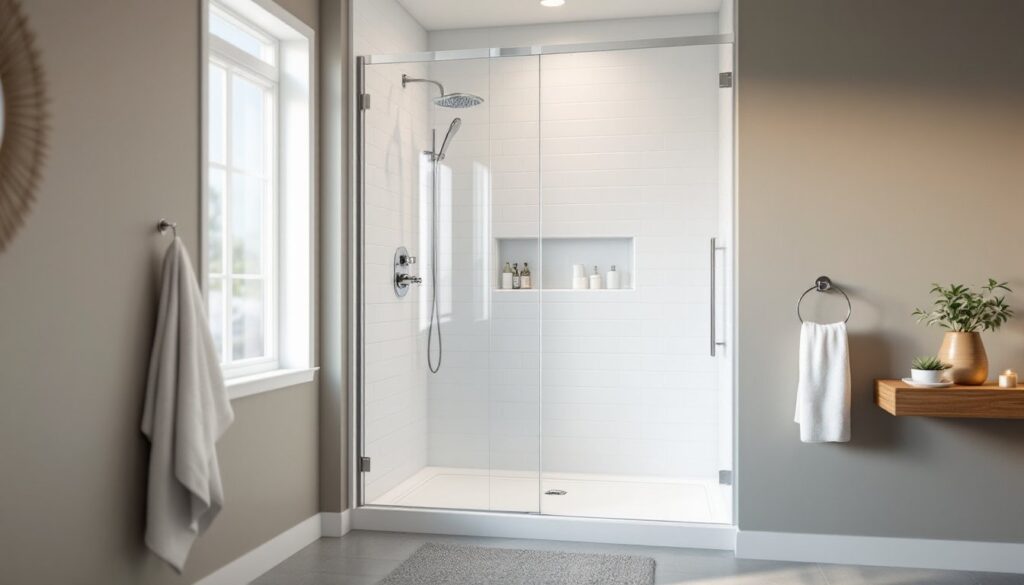
- Tub-to-shower conversions or tile surrounds
- Flooring (porcelain tile is the gold standard for moisture resistance)
- Lighting and mirror updates
- Exhaust fan replacement (minimum 50 CFM for bathrooms under 50 square feet: add 20 CFM for each additional fixture)
Budget $8,000-$18,000 for a standard 5’x8′ bathroom with mid-grade materials. High-end finishes or layout changes push costs higher. Converting a tub to a curbless walk-in shower requires additional waterproofing and slope adjustments, plan for $3,500-$7,000 just for the shower assembly and tile work.
Safety note: Always install GFCI outlets within six feet of any water source. If your bathroom still has non-GFCI outlets, that’s an immediate electrical code violation that needs correction. Use cement board (not drywall or green board) behind any tile work in wet areas.
Planning Your Wilmington Remodeling Project
Successful projects start with realistic timelines and clear scope definition. Start by identifying what’s cosmetic versus structural. Painting cabinets and replacing hardware? That’s a weekend DIY job. Removing a wall or adding a second-story addition? You’ll need an engineer’s stamp, permits, and licensed contractors.
Create a project binder with:
- Detailed measurements of the space (mark stud locations, ceiling heights, window rough openings)
- Photos from multiple angles
- Inspiration images that reflect your style preferences
- A prioritized list of must-haves versus nice-to-haves
- Material samples (bring these to showrooms for matching)
Schedule is the next consideration. Minor updates like flooring replacement or fixture swaps take one to three weeks. Full kitchen or bathroom gut jobs typically run six to twelve weeks from demolition to final inspection. Factor in two to four weeks upfront for design development and material ordering.
Homeowners planning similar upgrades can find cost benchmarks and contractor options through platforms like Angi, which aggregate project data across regions.
Get multiple bids, at least three for projects over $10,000. Check that contractors carry general liability insurance and workers’ comp coverage. Ask for recent references and actually call them. A lowball estimate often means corners will be cut or change orders will pile up mid-project.
Budget Considerations for Wilmington Renovations
Renovation costs in Wilmington track slightly below national averages for major metros but run higher than rural North Carolina. Labor rates for licensed contractors typically range from $50 to $95 per hour depending on the trade. Finish carpenters and tile setters command the higher end of that spectrum.
Budget framework for common projects:
- Minor kitchen refresh (new counters, backsplash, paint, hardware): $5,000-$12,000
- Mid-range kitchen remodel (cabinets, counters, appliances, flooring): $25,000-$55,000
- Bathroom update (fixtures, vanity, tile, flooring): $8,000-$18,000
- Primary suite addition (200-300 square feet): $80,000-$150,000
- Exterior siding replacement (vinyl on 1,500 sq ft home): $8,000-$15,000
- Roof replacement (architectural shingles on 2,000 sq ft): $7,500-$12,000
These ranges assume mid-grade materials and professional installation. DIY work can cut labor costs by 30-50%, but only tackle projects within your skill level. Botched electrical or plumbing work creates safety hazards and expensive repair bills.
Platforms like HomeAdvisor offer cost calculators that factor in local labor rates and material availability, giving homeowners a baseline before meeting with contractors.
Always add a 15-20% contingency for unforeseen issues. Opening walls frequently reveals outdated wiring, hidden water damage, or structural issues that weren’t visible during planning. Older Wilmington homes often have knob-and-tube wiring or polybutylene plumbing that needs replacement once exposed.
Financing options include home equity loans, HELOCs, cash-out refinancing, or personal loans. HELOCs currently run 8-10% APR but offer flexibility for phased projects. Compare rates and terms carefully, interest paid on home equity debt used for improvements may be tax-deductible (consult a tax professional for your specific situation).
Navigating Wilmington Building Permits and Regulations
New Hanover County and the City of Wilmington enforce the North Carolina State Building Code. Permit requirements depend on project scope, and working without proper permits can result in fines, forced removal of work, and complications when selling your home.
Projects requiring permits in Wilmington:
- Structural modifications (removing or altering load-bearing walls)
- Electrical work beyond replacing fixtures on existing circuits
- Plumbing changes (relocating fixtures, adding bathrooms, water heater replacement)
- HVAC installation or ductwork modifications
- Additions or expansions
- Roof replacement (permit required: re-roofing over one existing layer is allowed, but tear-off to decking is recommended)
- Deck construction (footings must extend below frost line at 12 inches minimum)
- Fence installation over 8 feet tall
Projects typically not requiring permits:
- Painting and wallpapering
- Cabinet installation that doesn’t affect structure
- Flooring replacement
- Countertop replacement
- Fixture replacement on existing plumbing/electrical (like-for-like swaps)
- Landscaping
Permit applications go through the New Hanover County Planning & Inspections Department (for unincorporated areas) or Wilmington Development Services (within city limits). Expect $75-$500 in permit fees depending on project valuation. Contractors usually handle permit applications, but DIY homeowners can apply directly.
Projects exploring structural changes or major additions can review planning resources through ImproveNet for guidance on when professional engineering input becomes necessary.
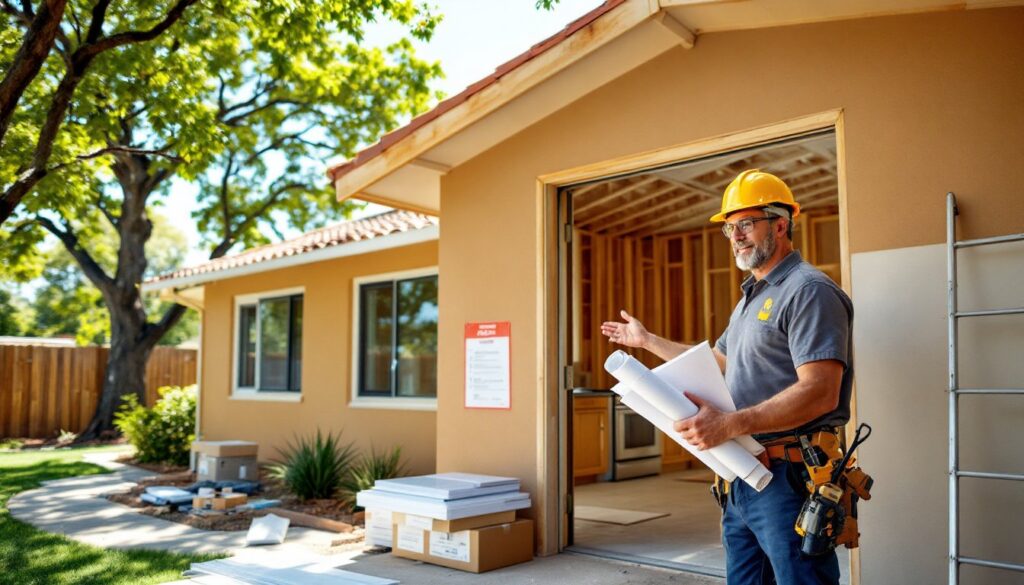
Timeline: Permit approval takes one to three weeks for standard residential work. Complex projects requiring plan review or engineering stamps take longer. Don’t start demolition before permits are issued and posted at the job site.
Inspections happen at key milestones: rough-in (framing, electrical, plumbing before drywall), insulation, and final. Schedule inspections at least 24 hours in advance. Failed inspections delay the project and require corrections before proceeding.
Flood zone considerations: Much of Wilmington falls within FEMA flood zones. If you’re in zones AE or VE, renovations that increase the home’s square footage or substantially improve its value (50%+ of market value) trigger elevation requirements. Check your flood zone designation before planning major work, this can dramatically affect project feasibility and cost.
For homeowners comparing supply options for permitted work, major retailers stock code-compliant materials, and regional home centers often provide contractor-grade inventory alongside DIY selections.