Table of Contents
ToggleRancho Cordova sits in Sacramento County’s sweet spot, older homes with solid bones built in the ’70s and ’80s, plus newer subdivisions that already need updates. Whether it’s a kitchen stuck in harvest gold or a bathroom that never got past builder-grade beige, homeowners here are tackling remodels at a pace that mirrors the region’s housing appreciation. This guide walks through what’s actually happening on jobsites around town, what you’ll need to budget, and where DIY ends and professional help begins. No fluff, just the practical details to get your project from planning to punch list.
Key Takeaways
- Home remodeling in Rancho Cordova is driven by rising property values in the mid-$500,000s, remote work lifestyle changes, and aging housing stock from the 1970s–1990s.
- Kitchen renovations are the most popular project, costing $25,000–$60,000 and requiring modern electrical circuits, outside-vented range hoods, and updated countertops to address outdated layouts.
- Bathroom upgrades typically run $8,000–$20,000 and must include proper waterproofing membranes, exterior-ducted exhaust fans, and recessed LED lighting to meet code and prevent mold.
- Budget your Rancho Cordova remodel using tiered costs: $50–$100/sq ft for cosmetic updates, $100–$200/sq ft for mid-range work, and $200–$350+/sq ft for structural projects, plus 15–20% contingency.
- Hire licensed contractors for electrical, plumbing, structural, and roofing work; DIY only cosmetic tasks like painting, LVP flooring, and fixture swaps where mistakes are easily corrected.
- All remodeling projects involving structural changes, electrical, plumbing, or work over 120 sq ft require Sacramento County permits; plan 2–4 weeks for approval and budget $150–$800 for permit fees.
Why Rancho Cordova Homeowners Are Investing in Remodeling
Home values in Rancho Cordova have climbed steadily since 2020, pushing median prices into the mid-$500,000s for single-family homes. That appreciation gives homeowners equity to borrow against for improvements, and it makes remodeling a smarter play than moving when mortgage rates sit above 6%.
The housing stock here skews older. Many neighborhoods were developed between 1975 and 1990, meaning kitchens still have soffits, popcorn ceilings, and laminate counters. Bathrooms often feature almond fixtures and 4×4-inch tile. These aren’t just aesthetic problems, outdated electrical panels, single-pane windows, and inadequate insulation drive up utility bills in Sacramento’s hot summers.
Another driver: remote work. Homeowners who spent 2020–2022 staring at dated interiors during Zoom calls decided to reinvest in spaces they now occupy 24/7. Kitchens that function as offices need better lighting and outlets. Bathrooms that serve as retreats justify higher-end finishes. It’s not just about resale value anymore, it’s about livability for the long haul.
Finally, the local contractor market has stabilized after pandemic-era chaos. Lead times for cabinets, windows, and appliances have normalized, and material costs, while still higher than 2019, aren’t spiking unpredictably. That predictability makes it easier to plan and execute projects without constant budget revisions.
Most Popular Home Remodeling Projects in Rancho Cordova
Kitchen Renovations
Kitchens pull the most remodeling dollars in Rancho Cordova, and for good reason: they’re the room most likely to feel dated and dysfunctional. The typical project involves removing soffits above cabinets (often hiding unused space or outdated wiring), replacing laminate counters with quartz or granite, and upgrading to shaker-style cabinets in white, gray, or natural wood tones.
Flooring usually shifts from linoleum or old ceramic tile to luxury vinyl plank (LVP) or large-format porcelain tile. LVP is DIY-friendly, costs $3–$6 per square foot installed, and holds up well to Sacramento’s temperature swings. Porcelain tile runs $8–$15 per square foot installed but offers better resale appeal in higher-end homes.
Appliance packages trend toward stainless steel or matte black finishes, with gas ranges preferred over electric where gas lines already exist. Adding a range hood that vents outside (not recirculating) is code in new construction and a smart upgrade in remodels, especially if you’re cooking daily.
Electrical updates matter. Older kitchens may have only two 20-amp circuits for countertop outlets. Modern kitchens need at least two dedicated circuits for small appliances, plus separate circuits for the dishwasher, disposal, microwave, and refrigerator. This is permit-required work and not a DIY job unless you’re a licensed electrician.
Budget reality: a full kitchen remodel in Rancho Cordova runs $25,000–$60,000 depending on size and finishes. Refacing cabinets instead of replacing them can cut costs by 30–40%, but only works if the cabinet boxes are structurally sound and the layout doesn’t need changes.
Bathrooms Upgrades
Bathroom remodels focus on replacing builder-grade fixtures and outdated tile. The most common scope includes a new vanity with soft-close drawers, a comfort-height toilet (17–19 inches vs. the old 15-inch standard), and a tub-to-shower conversion.
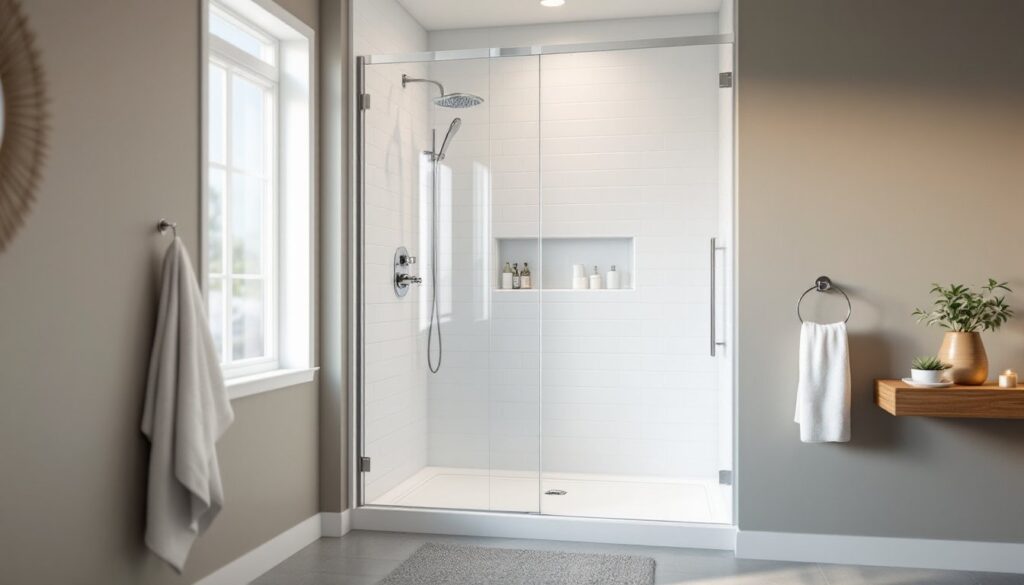
Shower upgrades typically involve removing a fiberglass tub/shower combo and installing a tiled walk-in shower with a frameless glass enclosure. Tile choices lean toward 12×24-inch or larger porcelain planks in neutral grays and whites, often installed in a running bond or herringbone pattern. Accent strips in natural stone or hexagon mosaics add visual interest without dated overuse.
Waterproofing is non-negotiable. Use a liquid or sheet membrane over cement backer board (not drywall, even green board) before tile goes up. Schluter or RedGard are common product lines. Skip this step and you’ll have mold or rot within two years, guaranteed.
Ventilation codes require an exhaust fan rated for the bathroom’s square footage, ducted to the exterior (not into the attic). A 50-square-foot bathroom needs at least 50 CFM (cubic feet per minute). Fans with built-in humidity sensors are worth the extra $40–$60.
Lighting shifts from a single dome fixture to recessed LED cans (4-inch or 6-inch) plus sconces flanking the mirror. This requires fishing wire through ceiling joists, doable for a confident DIYer, but plan on a full day for a 5×8-foot bathroom.
Cost range: $8,000–$20,000 for a full bathroom remodel. Powder rooms (half-baths) run $4,000–$10,000. Permit costs add $150–$400 depending on scope.
Planning Your Rancho Cordova Remodel: Budget and Timeline Essentials
Start with a detailed scope document before talking to contractors or pulling permits. Walk each room with a tape measure and notebook. Note everything you want to change: layout, finishes, fixtures, lighting, outlets. Vague plans lead to change orders, and change orders destroy budgets.
Budgeting breaks into three tiers. Cosmetic updates, paint, flooring, fixtures without moving plumbing, run $50–$100 per square foot. Mid-range remodels that relocate sinks, add windows, or reconfigure layouts cost $100–$200 per square foot. High-end or structural projects involving load-bearing walls, foundation work, or full electrical/plumbing replacement hit $200–$350+ per square foot.
Add a 15–20% contingency for unknowns. Older homes in Rancho Cordova often hide surprises: undersized joists, knob-and-tube wiring, polybutylene plumbing, or subfloor rot. You won’t know until demo day.
Timelines vary by project complexity. A bathroom remodel takes 3–6 weeks from demo to final inspection. Kitchens need 6–10 weeks, with cabinet lead times adding 4–8 weeks before work even starts. Whole-house remodels can stretch 4–6 months.
Material delivery still matters. Order cabinets, windows, and custom countertops early, lead times can hit 8–12 weeks for semi-custom lines. Stock cabinets from big-box stores ship in 1–2 weeks but offer fewer size options. Tools like HomeAdvisor provide project timelines and cost breakdowns based on regional data, which helps set realistic expectations before signing contracts.
Local Permits and Regulations You Need to Know
Rancho Cordova falls under Sacramento County jurisdiction for building permits, meaning you’ll work with the county building department, not a city office. Permits are required for any work that involves structural changes, electrical, plumbing, HVAC, or additions over 120 square feet.
Typical permit triggers: moving or removing walls (especially if load-bearing), adding or relocating plumbing fixtures, running new electrical circuits, replacing a water heater, installing new windows or doors in existing openings (egress requirements), and any roofing work beyond simple re-shingling.
You don’t need permits for cosmetic work like painting, flooring (if not changing subfloor structure), swapping light fixtures on existing boxes, or replacing cabinet doors. But if you’re adding a new circuit for that microwave or moving a toilet drain, you need a permit.
Permit costs vary by project scope. Electrical permits start around $150. Plumbing permits run $180–$300. Full kitchen or bathroom remodels often require a combination permit package costing $400–$800. Plan on 2–4 weeks for plan review and approval for straightforward projects: complex or large-scale remodels can take 6–8 weeks.
Inspections happen at key stages: rough framing, rough electrical/plumbing (before drywall goes up), insulation, and final. Do not cover work before inspection, you’ll be tearing it out if the inspector needs to verify framing or wiring.
Load-bearing wall questions? Hire a structural engineer to draft plans. Removing or altering a load-bearing wall without proper headers and support can cause catastrophic failure. This isn’t DIY territory unless you’re a licensed contractor with structural experience. Many local contractors offer pre-permit consultations to clarify what’s required before you invest time in applications.
DIY vs. Hiring Professionals: What Works Best for Your Project
DIY makes sense for cosmetic projects where mistakes are fixable and safety risks are low: painting, installing laminate or LVP flooring, replacing faucets and toilets, mounting vanities, tiling shower walls (if you’re patient and detail-oriented), building simple shelving, and swapping out light fixtures on existing boxes.
You’ll need basic tools: a drill/driver, circular saw or miter saw, tape measure, level (4-foot and torpedo), drywall saw, pry bar, putty knives, and a good paint setup. Specialty tools like tile saws or pneumatic nailers can be rented for $40–$80 per day.
Hire professionals for electrical work beyond fixture swaps, plumbing that involves drain lines or gas, structural framing or load-bearing changes, HVAC installation, roofing, and finish carpentry like crown molding or custom cabinetry (unless you have the skills and tools).
Electrical and plumbing codes are strict and inspectors will red-tag improper work. It’s not just about passing inspection, it’s about safety and insurance coverage. If DIY wiring causes a fire, your homeowner’s policy may deny the claim.
Gray area: some homeowners tackle rough framing or drywall hanging and hire pros for taping/finishing (where skill shows). Others install tile themselves but hire a plumber to rough-in the shower valve. Splitting tasks can save 20–30% on labor while keeping quality high where it matters.
Get multiple bids, at least three. Verify contractors hold a California Contractors State License Board (CSLB) license, carry liability and workers’ comp insurance, and provide references. Platforms like ImproveNet aggregate contractor profiles and cost guides, making it easier to compare options and avoid lowball bids that signal corner-cutting.
Safety gear for every project: impact-rated safety glasses, work gloves (leather for framing, nitrile for painting or finish work), N95 or P100 respirator for demolition or sanding, ear protection for saws and power tools. Knee pads save cartilage during tile or flooring installs.