Table of Contents
ToggleOak Brook homeowners are seeing strong returns on remodeling investments, with property values rising and buyer expectations shifting toward modern, functional spaces. Whether you’re updating a dated kitchen, adding a primary suite, or overhauling a 1980s bathroom, the decisions you make now affect livability, resale value, and permitting headaches down the line. This guide covers the most popular projects in the area, planning essentials, realistic budgeting, and material choices that suit Oak Brook’s architectural landscape, without the fluff.
Key Takeaways
- Home remodeling in Oak Brook can recover 60-80% of costs at resale, making kitchen and primary bath upgrades smart investments as buyers expect modern, energy-efficient spaces.
- Kitchen remodels range from $15,000–$35,000 for cosmetic refreshes to $50,000–$100,000+ for full renovations, while bathroom projects typically cost $12,000–$35,000 for hall baths and $25,000–$60,000+ for primary suites.
- Obtain permits from the Village of Oak Brook for structural work, electrical, plumbing, and HVAC modifications before starting your remodeling project to avoid compliance issues and inspections.
- Budget 20% extra for contingencies in Oak Brook remodeling projects, as older homes often hide surprises like rotted subfloors and outdated wiring that can inflate costs.
- Choose durable materials suited to Oak Brook’s climate and style: engineered hardwood or luxury vinyl plank for kitchens and baths, plywood cabinets with dovetail joinery, quartz or granite countertops, and moisture-resistant finishes.
- Plan for 8-16 week lead times on custom cabinets, tile, and appliances in 2026, and hire licensed professionals for electrical, plumbing, and structural work rather than attempting DIY to ensure code compliance and inspections.
Why Oak Brook Homeowners Are Investing in Remodeling Projects
Oak Brook’s housing stock includes a mix of mid-century ranches, 1970s colonials, and newer builds, many of which are due for updates in kitchens, baths, and mechanical systems. Homeowners are choosing to remodel rather than relocate, driven by rising mortgage rates, limited inventory in desirable school districts, and the cost of moving.
Another factor: Oak Brook buyers expect updated finishes and energy-efficient systems. Homes with original kitchens or single-pane windows sit longer on the market, even in strong neighborhoods. A well-executed remodel, especially kitchens and primary baths, can recover 60-80% of costs at resale, according to national averages, though local comps matter more than broad statistics.
Finally, many homeowners are aging in place or accommodating multigenerational living. That means accessible showers, wider doorways, main-floor primary suites, and aging-in-place retrofits are becoming common scope items, not niche requests.
Most Popular Home Remodeling Projects in Oak Brook
Kitchen Remodeling: The Heart of Your Oak Brook Home
Kitchen remodels in Oak Brook typically fall into two categories: cosmetic refreshes (new cabinet doors, countertops, backsplash, paint) and full gut renovations (new layout, plumbing, electrical, appliances, flooring). A cosmetic update can run $15,000–$35,000, while a full remodel often lands between $50,000 and $100,000+, depending on square footage and finishes.
Key decisions include cabinet construction (plywood box vs. particleboard), countertop material (quartz is popular for durability and low maintenance, granite still holds appeal for natural stone fans), and appliance packages. If you’re relocating a sink or adding a gas range, expect plumbing and gas line work, which may require permits through the Village of Oak Brook.
Don’t skip the lighting plan. Recessed LED downlights on dimmers, under-cabinet task lighting, and pendant fixtures over islands improve function and ambiance. Wire for a 20-amp small appliance circuit if you’re upgrading outlets, two dedicated circuits are code for most kitchens per NEC Article 210.52(B).
Bathroom Renovations for Luxury and Functionality
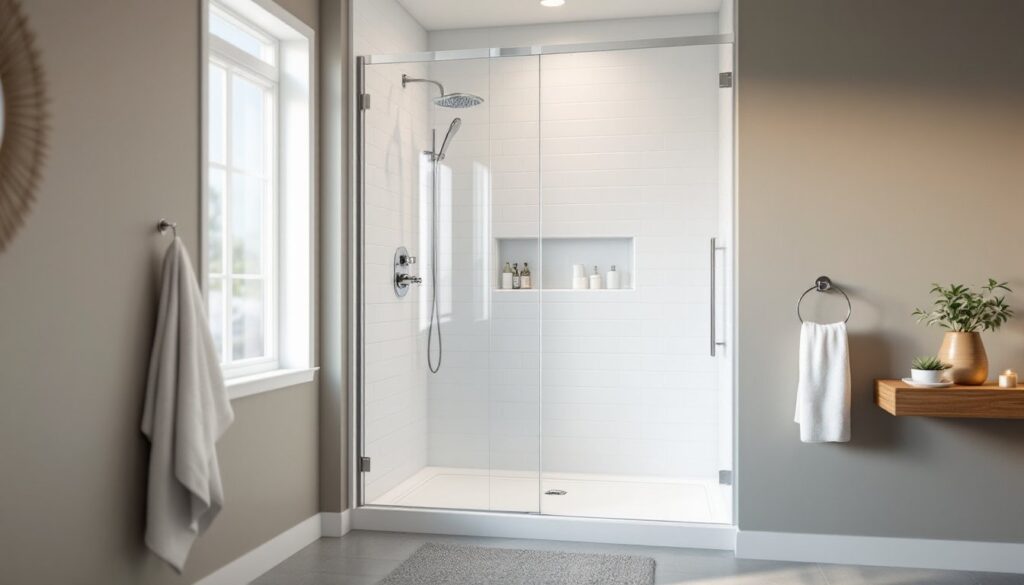
Bathroom remodels range from tub-to-shower conversions in primary suites to full gut jobs in powder rooms and hall baths. In Oak Brook, homeowners often upgrade to walk-in tile showers with frameless glass, heated floors (electric mat systems are DIY-friendly if you’re comfortable with tile work), and double vanities in primary baths.
Typical costs for a full bathroom remodel run $12,000–$35,000 for a standard 5×8 hall bath, and $25,000–$60,000+ for a primary suite, factoring in tile, fixtures, vanity, and labor. If you’re moving walls or adding a bathroom, budget for framing, plumbing rough-in, and electrical, all permit-required work in Oak Brook.
Waterproofing is non-negotiable. Use a topical or sheet membrane (like Schluter KERDI or RedGard) behind tile in wet areas. Skipping this step invites mold and structural damage. Ventilation matters, too, install a bathroom fan rated for the room’s cubic footage (CFM = room volume ÷ 7.5 for general guidance) and vent it to the exterior, not the attic.
Planning Your Oak Brook Remodeling Project: Essential Steps
Start with a clear scope document: what stays, what goes, what’s being added. Measure existing spaces and sketch layouts, even rough drawings help contractors and suppliers give accurate bids. For kitchens and baths, note the location of existing plumbing stacks and electrical panels: moving them adds cost.
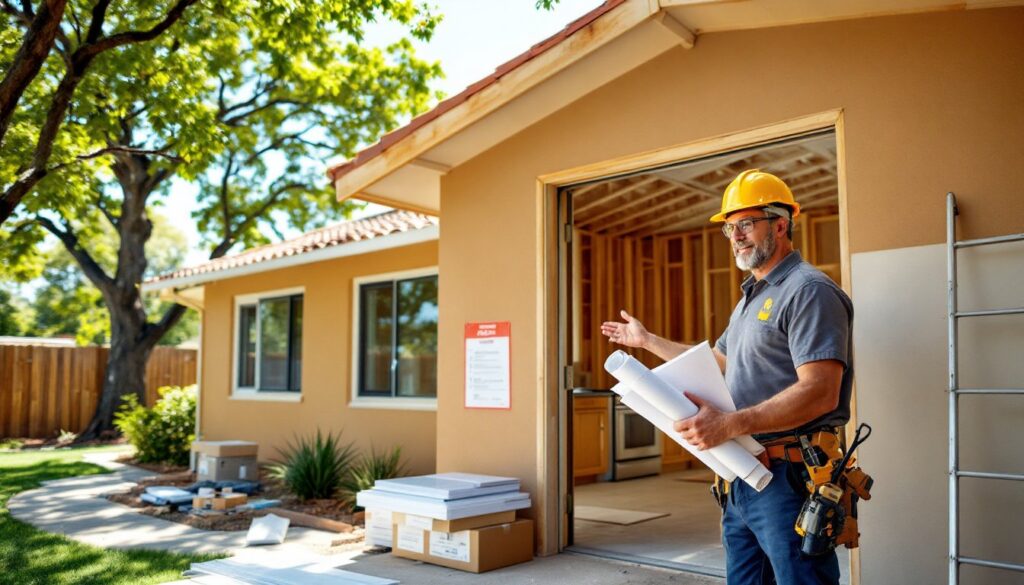
Next, determine if you need permits. In Oak Brook, most structural work (moving walls, adding square footage, altering load-bearing members), electrical, plumbing, and HVAC modifications require permits. Cosmetic work like painting, flooring, and cabinet refacing typically doesn’t. When in doubt, call the Oak Brook Building Department before demo day.
Hire licensed professionals for trades beyond your skill level. Electrical work, gas line installation, structural framing, and HVAC are not DIY-friendly for most homeowners and often require inspections. Many contractors using project cost estimators can provide ballpark figures before formal bids.
Timeline matters. Lead times for custom cabinets, tile, and appliances can stretch 8–16 weeks in 2026. Order long-lead items early and plan for delays. If you’re living in the house during the remodel, set up a temporary kitchen or bath and seal off construction zones with poly sheeting and ZipWall barriers to contain dust.
Budgeting for Your Home Remodel in Oak Brook
Set a realistic budget before choosing finishes. A common rule: allocate 20% more than your initial estimate for contingencies, old homes hide surprises like rotted subfloors, outdated wiring, and plumbing that doesn’t meet code.
Break costs into categories: labor (typically 40–50% of total budget), materials (30–40%), permits and fees (2–5%), and contingency (10–20%). For example, a $60,000 kitchen remodel might allocate $27,000 to labor, $24,000 to materials, $3,000 to permits and design, and $6,000 to contingency.
If you’re hiring a general contractor, get three written bids and compare scope, not just price. A low bid might exclude demolition, disposal, or finish work. Ask for references and check recent projects. Platforms offering contractor reviews and cost guides can help vet professionals and set expectations.
For DIY projects, track material costs closely. Flooring runs $3–$12 per square foot (material only) depending on type: paint covers roughly 350–400 square feet per gallon: and tile costs vary wildly from $2/sq ft for basic ceramic to $20+/sq ft for large-format porcelain or natural stone. Don’t forget underlayment, adhesive, grout, and tools.
Choosing the Right Materials and Design Styles for Oak Brook Homes
Oak Brook’s architectural character leans traditional, brick exteriors, colonial and ranch layouts, established landscaping. Interior remodels often blend classic elements (shaker cabinets, subway tile, hardwood floors) with modern function (quartz counters, smart lighting, open layouts).
For flooring, engineered hardwood works well in kitchens and main living areas if you’re concerned about seasonal movement: it’s more dimensionally stable than solid hardwood. In baths and basements, luxury vinyl plank (LVP) or porcelain tile handles moisture better. Tile should be rated for the application, PEI 3 or higher for floors, PEI 1-2 for walls.
Cabinets: plywood box construction with dovetail or dowel joinery outlasts particleboard, especially in humid or high-use areas. Shaker, flat-panel, and raised-panel door styles remain popular. For countertops, quartz offers consistent color and pattern, while granite and quartzite provide natural variation. Avoid marble in kitchens unless you’re prepared for etching and staining.
Paint matters. Use 100% acrylic latex for walls and trim: it’s durable and cleans up with water. For kitchens and baths, choose satin or semi-gloss finishes for easier cleaning. Primer is non-negotiable over new drywall, bare wood, or dramatic color changes, skip it and you’ll need extra coats.
When selecting fixtures and hardware, match finish families: if you choose brushed nickel faucets, carry that through cabinet pulls, light fixtures, and hinges. Mixing metals intentionally is fine, but accidental mismatches look unfinished. Resources like remodeling cost calculators and project guides can help narrow options and set budgets for finishes.
Safety gear for demo and installation: Always wear safety glasses, work gloves, and a dust mask (N95 or better) when cutting, sanding, or demolishing. Use hearing protection with power saws and drills. If you’re working with tile or concrete, a respirator with P100 filters is a smart upgrade over disposable masks.