Table of Contents
ToggleWalk into any Home Depot, and you’ll face a wall of cordless drills that all look capable, until you’re halfway through a deck project and your bargain drill can’t sink another 3-inch screw. Choosing the right cordless drill isn’t about grabbing the flashiest model or the cheapest price tag. It’s about matching voltage, torque, and battery platform to the work you actually do. Whether you’re hanging shelves, building furniture, or tackling a full kitchen remodel, Home Depot stocks drills across every price point and performance tier. This guide cuts through the marketing and helps you pick a tool that’ll last beyond your first project.
Key Takeaways
- A Home Depot cordless drill’s value depends on matching voltage, torque, and battery platform to your actual project needs, not on flashy features or low prices.
- Brushless motors cost $30–$50 more but deliver 20–30% better efficiency, run cooler, and extend battery life—making them worth the investment for regular users.
- Milwaukee and DeWalt dominate professional performance with 1,000+ in-lbs torque, while Ryobi and Ridgid offer excellent value for DIY homeowners at half the cost.
- Battery platform matters as a long-term investment; committing to one brand like Ryobi’s ONE+, DeWalt, or Milwaukee means future tools save money since you only buy the bare tool.
- Home Depot’s 90-day return policy, in-store handling, and staff demonstrations help you find a drill that actually fits your grip and comfort needs before committing.
Why Choose a Cordless Drill from Home Depot
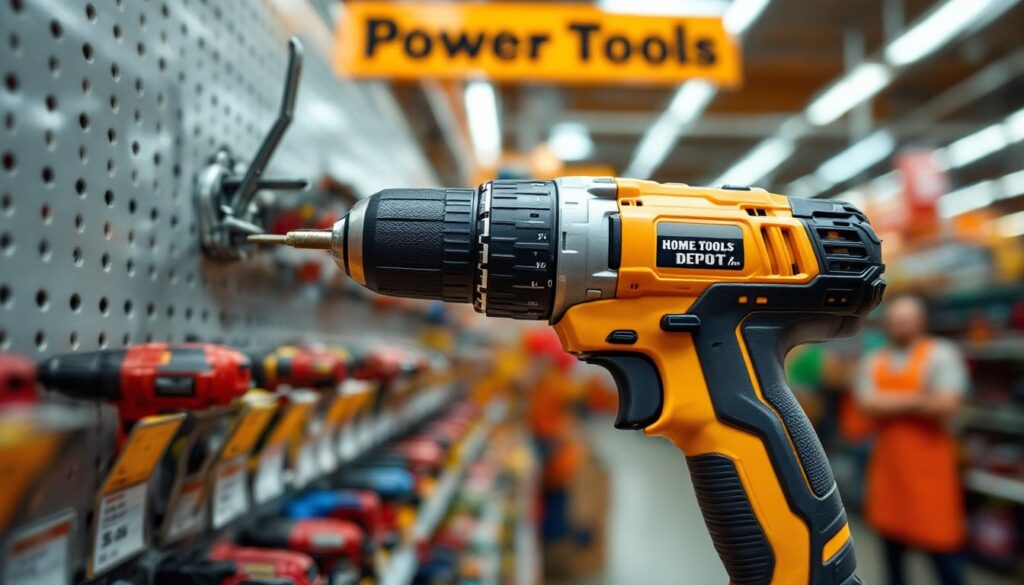
Home Depot offers a practical advantage that online retailers can’t match: you can handle the tool before buying. Weight distribution, grip comfort, and trigger feel matter when you’re driving fifty screws into studs, and those factors don’t translate through a screen.
The return policy is straightforward. If a drill doesn’t perform as expected within 90 days, it goes back, no shipping labels or restocking fees. That’s critical when you’re testing whether an 18V drill has enough torque for your specific projects.
Home Depot’s battery ecosystem deserves attention. Once you commit to a brand like Milwaukee, DeWalt, or Ryobi, every additional tool that shares that battery platform saves money. Home Depot carries deep inventory across these systems, from compact drivers to full-size hammer drills, circular saws, and even leaf blowers. Buying into a platform at Home Depot means future tools are cheaper since you’re only buying the bare tool.
In-store associates can usually demonstrate key differences between models, and many locations stock both brushed and brushless motor versions. Brushless motors run cooler, last longer, and deliver about 50% more runtime per charge, but they cost more upfront. Seeing both side-by-side helps justify the price gap.
Home Depot also bundles drills with battery kits, extra bits, cases, and impact drivers during seasonal sales. These combo kits often beat the per-item price of buying separately, especially during spring and fall promotion cycles.
Top Cordless Drill Brands Available at Home Depot
Milwaukee and DeWalt: Professional-Grade Performance
Milwaukee’s M18 platform dominates professional job sites for good reason. Their drills deliver consistent torque, even under heavy load, and the REDLITHIUM battery technology holds a charge through cold weather better than cheaper lithium-ion packs. The M18 Fuel line uses brushless motors and offers up to 1,200 in-lbs of torque, enough to drive lag bolts into framing lumber without pre-drilling.
DeWalt’s 20V MAX system (which is 18V nominal, marketing inflates the peak voltage) rivals Milwaukee in performance and exceeds it in accessory range. DeWalt’s drill/driver combo kits include both a standard drill and a compact impact driver, which is the smarter tool for driving screws. Their brushless models feature electronic clutches with up to 15 settings, giving fine control when working with soft materials like drywall or trim.
Both brands build tools that professionals rely on for demanding projects, and Home Depot stocks replacement parts, batteries, and chargers in-store. If you’re framing walls, installing cabinetry, or working daily with a drill, these brands justify the $200–$300 price range.
Ryobi and Ridgid: Best Value for DIY Homeowners
Ryobi’s 18V ONE+ system is the sweet spot for homeowners who need a versatile tool without contractor-grade pricing. A basic Ryobi drill runs $60–$100, and the battery fits over 280 tools in their lineup. The drills won’t outlast a Milwaukee on a commercial job, but they’ll handle weekend projects, furniture assembly, and light remodeling for years.
Ryobi’s brushless models (HP line) close the performance gap with pro brands while staying under $150. They include LED work lights, belt clips, and rubberized grips. For someone building a tool collection from scratch, Ryobi’s combo kits offer the best dollar-per-tool value at Home Depot.
Ridgid sits between Ryobi and the pro brands. Home Depot exclusively carries Ridgid, and the tools come with a lifetime service agreement (LSA), register within 90 days, and you get free batteries, free service, and free replacement for life. That’s a compelling deal if you stay within the Ridgid ecosystem. Their 18V drills feature brushless motors, three-speed gearboxes, and metal chucks. At $120–$180, they’re priced for serious DIYers who want durability without paying the Milwaukee premium.
Key Features to Consider When Buying Your Drill
Voltage determines power and runtime. For most homeowners, 18V (or 20V MAX) is the standard. It drives 3-inch deck screws into pressure-treated lumber, drills through 2x framing, and handles 1-inch holes in hardwood. Compact 12V drills work for light tasks, hanging pictures, assembling flatpack furniture, but struggle with anything structural.
Torque, measured in inch-pounds (in-lbs), tells you how much rotational force the drill produces. A drill with 400 in-lbs will struggle with lag bolts. Models in the 600–800 in-lbs range handle most DIY work. Anything above 1,000 in-lbs is built for professionals driving large fasteners all day.
The chuck size determines maximum bit diameter. A ½-inch chuck accepts larger bits than a ⅜-inch, which matters when drilling holes for plumbing or running conduit. Most mid-range drills use ½-inch keyless chucks, which are the right choice unless you’re only driving screws.
Battery capacity is listed in amp-hours (Ah). A 2.0Ah battery is compact and lightweight but drains quickly under load. A 4.0Ah or 5.0Ah battery adds weight but powers through a full project without swapping. Some cordless drill reviews show that high-capacity batteries can double runtime on demanding tasks.
Brushless motors cost $30–$50 more than brushed models, but they’re worth it. Brushless designs eliminate friction components that wear out, improving efficiency by 20–30%. They also run cooler, which extends battery life per charge and prevents overheating during extended use.
The clutch is the numbered ring behind the chuck. It disengages the drill at a preset torque, preventing you from stripping screws or snapping bits. Drills with 15–24 clutch settings give finer control, especially when working with soft woods or drywall. If you’re only drilling holes, the clutch matters less.
Speed settings matter more than most realize. A two-speed gearbox (common on drills over $100) lets you switch between high torque/low speed for driving and low torque/high speed for drilling. Single-speed drills force you to modulate the trigger, which is less precise.
How to Choose the Right Cordless Drill for Your Projects
Start by listing what you’ll actually build or fix. If you’re mounting shelves, assembling furniture, and handling minor repairs, a Ryobi 18V brushless drill with a 2.0Ah battery covers those tasks for under $100. Add a bit set and a magnetic bit holder, and you’re equipped for 90% of household projects.
If you’re renovating a bathroom, installing hardwood floors, or building a deck, step up to a DeWalt or Milwaukee brushless model with a 4.0Ah battery. These drills power through repetitive tasks without bogging down, and the extra clutch settings prevent damage to finish materials. Pair the drill with an impact driver (often sold as a combo kit) to make screw-driving faster and less fatiguing.
For users building furniture, working with hardwoods, or doing extensive home maintenance, a drill with at least 600 in-lbs of torque and a ½-inch chuck is essential. You’ll drill cleaner holes and drive screws without camming out or stripping heads. Brushless motors also reduce the need to stop mid-project for battery swaps.
Consider the battery platform as a long-term investment. If you already own a cordless tool, buy a drill that shares the same battery. If you’re starting fresh, choose a brand with a broad tool lineup at Home Depot. Ryobi’s ONE+ system has the widest range, but Milwaukee and DeWalt offer more durable options if you plan to expand into saws, grinders, or nailers.
Weight and balance affect comfort during extended use. A drill that’s front-heavy will tire your wrist after twenty minutes of overhead work. Hold the drill at Home Depot with a battery installed, if it feels awkward in the store, it’ll feel worse on a ladder.
Safety note: Always wear eye protection when drilling, especially into masonry or metal. Bits can snap, and chips fly unpredictably. If you’re drilling overhead, a dust mask prevents inhaling debris. When drilling into walls, use a stud finder and check for electrical wiring or plumbing before you start. The NEC (National Electrical Code) requires certain clearances, and drilling into a live wire is both dangerous and expensive to repair.
Conclusion
Choosing a cordless drill at Home Depot comes down to matching the tool to the work. Ryobi and Ridgid deliver solid value for weekend warriors. Milwaukee and DeWalt are the choice when durability and torque matter. Pay attention to battery platform, brushless motors, and torque specs, not just the sale price. With the right drill, the next project gets easier, not harder.