Table of Contents
ToggleBirmingham homeowners are sitting on aging properties with solid bones and massive potential. The city’s mix of historic craftsman homes, mid-century ranches, and newer construction creates a diverse remodeling landscape, but all share the same humid subtropical climate challenges and local code requirements. Whether tackling a dated bathroom or reconfiguring a cramped kitchen, Birmingham-area renovations demand an understanding of moisture management, local permit processes, and realistic budgets in today’s material market. This guide covers what local homeowners need to know before swinging a hammer or signing a contractor agreement.
Key Takeaways
- Kitchen and bathroom renovations are the top home remodeling projects in Birmingham, AL, with kitchens recouping 60-75% of costs at resale and typical projects ranging from $15,000 to $60,000+.
- Home remodeling in Birmingham makes financial sense due to tight housing inventory, rising median home prices (up 12-15% year-over-year), and energy efficiency needs in the humid subtropical climate where cooling bills can exceed $250 monthly.
- Birmingham homeowners must obtain permits for structural changes, electrical work, plumbing modifications, HVAC updates, and window/door replacements, with costs ranging from $50-400 depending on scope.
- Budget 15-20% contingency on top of your remodeling estimate to account for hidden issues common in older Birmingham homes, such as outdated wiring, plumbing problems, termite damage, and subfloor rot.
- Load-bearing wall removal requires a licensed engineer’s stamp in Birmingham; undersized beams can cause sagging floors and structural failure, so this critical step should never be skipped.
- Plan ahead for material lead times (8-16 weeks for custom cabinets, windows, and specialty tile) and schedule your home remodeling project during winter months when contractors have better availability and pricing leverage.
Why Birmingham Homeowners Are Investing in Remodeling
Birmingham’s housing market favors renovation over relocation. Inventory remains tight across Jefferson and Shelby counties, pushing median home prices up 12-15% year-over-year as of early 2026. Moving costs, realtor fees, closing costs, and higher mortgage rates, often exceed the investment needed to remodel an existing home.
The city’s older housing stock drives much of the remodeling activity. Homes built between 1950-1980 dominate neighborhoods like Crestwood, Homewood, and Mountain Brook, and many still carry original kitchens, single-pane windows, and outdated electrical panels. Updating these systems adds comfort, efficiency, and resale value.
Energy efficiency upgrades also make financial sense in Birmingham’s climate. Summers regularly hit 90°F+ with 70% humidity, stressing HVAC systems in poorly insulated homes. Homeowners are investing in spray foam insulation, upgraded ductwork, and energy-efficient windows to cut utility bills that can otherwise spike above $250/month during peak cooling season.
Finally, Birmingham’s strong neighborhood identity encourages homeowners to invest long-term rather than chase the next ZIP code. Families want to stay in established school zones and walkable communities, making whole-home remodels more attractive than starting over elsewhere.
Most Popular Home Remodeling Projects in Birmingham
Kitchen Renovations
Kitchen remodels top the list for Birmingham homeowners, and for good reason, they recoup 60-75% of costs at resale according to national cost guides. Typical projects range from $15,000 for a modest refresh to $60,000+ for a full gut-and-rebuild.
A mid-range Birmingham kitchen remodel usually includes:
- Cabinet refacing or replacement (stock cabinets run $100-200/linear foot, semi-custom $200-400)
- Quartz or granite countertops ($50-100/sq ft installed)
- Stainless steel appliance package ($3,000-6,000 for range, refrigerator, dishwasher, microwave)
- Tile or luxury vinyl plank (LVP) flooring ($4-8/sq ft installed)
- Updated lighting (recessed LED cans, pendant fixtures over islands)
Structural changes, removing a load-bearing wall to open the kitchen to the dining or living area, add complexity and cost. Expect to hire a structural engineer ($500-1,500 for beam calculations and stamped drawings) and install a steel or LVL (laminated veneer lumber) beam. Most contractors charge $1,500-3,000 for beam installation, not including finishing work.
Plumbing and electrical relocations drive up costs fast. Moving a sink or range requires re-routing supply lines, drains, and gas lines through floor joists or wall cavities. Budget an extra $1,000-2,500 if you’re changing the kitchen footprint.
Permits are required for electrical, plumbing, and structural work in Birmingham. Plan for permit costs around $150-400 depending on scope, plus inspection delays.
Bathroom Upgrades
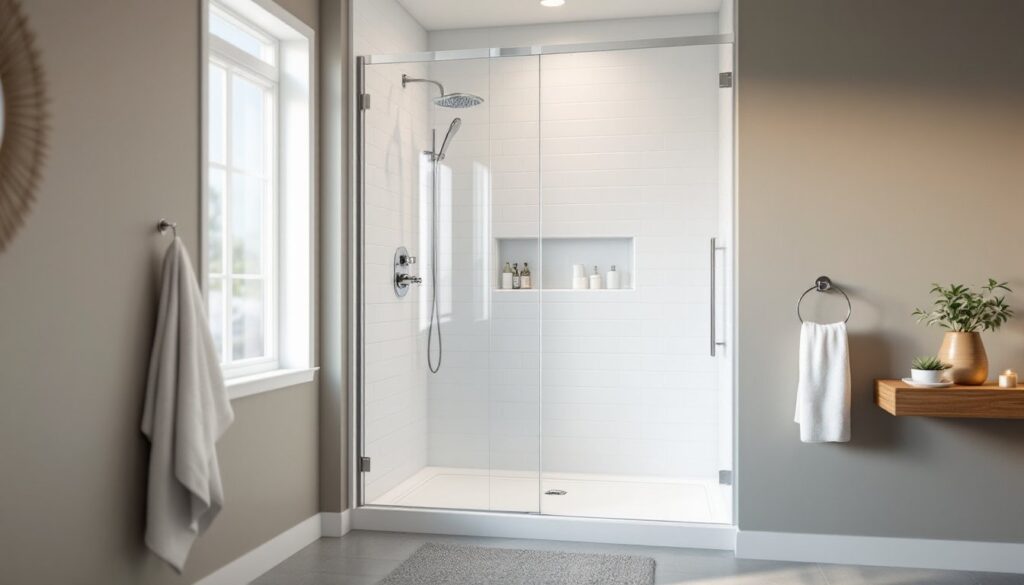
Bathroom remodels deliver strong ROI and solve common problems in older Birmingham homes: inadequate ventilation, outdated tile, and poor layout. A standard 5×8-foot bathroom remodel runs $8,000-18,000, while primary suite bathrooms with custom tile and high-end fixtures can hit $25,000-40,000.
Common bathroom upgrades include:
- Tub-to-shower conversions: Popular with aging-in-place homeowners. Removing a tub and installing a curbless or low-threshold shower improves accessibility. Expect $4,000-9,000 for materials and labor.
- Tile surrounds and flooring: Ceramic or porcelain tile remains the standard. Budget $8-15/sq ft installed for walls, $10-18/sq ft for heated floor tile.
- Vanity and sink replacement: Stock vanities run $300-800, while custom builds start at $1,500. Pair with a new faucet ($100-300) and consider upgrading supply lines and shut-off valves while you’re at it.
- Ventilation improvements: Birmingham’s humidity demands proper exhaust fans. Install a fan rated for your bathroom size, minimum 50 CFM for a 5×8 space, vented to the exterior (never into the attic). Expect $200-500 for a quality fan and installation.
Waterproofing matters in Birmingham. Use a waterproof membrane (like Schluter or RedGard) behind all shower and tub tile, not just cement board. Skipping this step invites mold and rot in the humid climate.
Planning Your Birmingham Remodeling Project
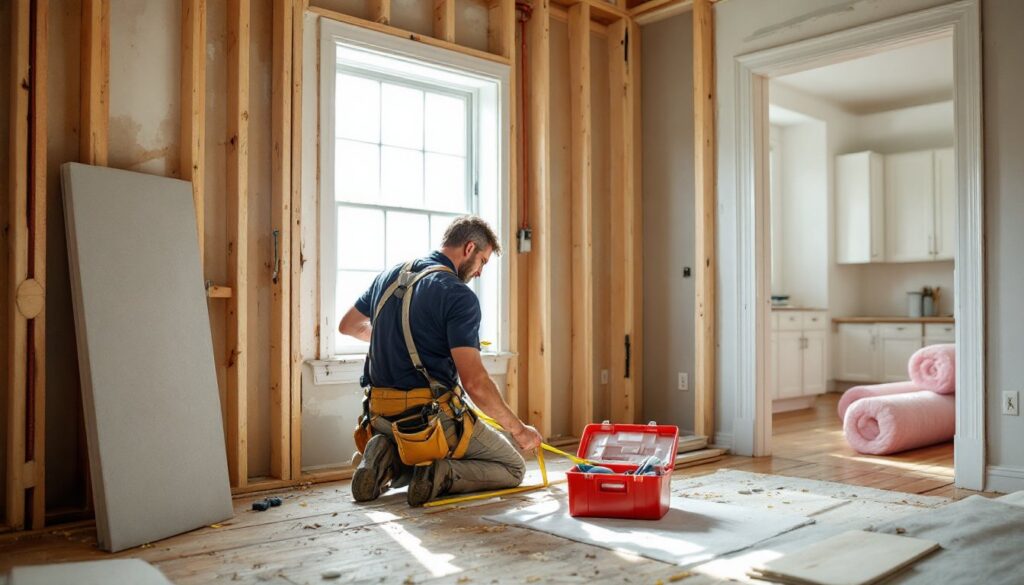
Start with a detailed scope of work. Walk through the space and list every change, demo, framing, electrical, plumbing, finishes. Breaking the project into phases helps prioritize budget and timeline.
Draw a floor plan to scale, even a rough sketch. Measure twice. Use actual dimensions, not estimates. This prevents costly mid-project surprises like cabinets that don’t fit or fixtures that block door swings.
Decide early whether this is a DIY project, a DIY-with-subs hybrid, or a full contractor job. Cosmetic work, painting, trim, flooring, suits confident DIYers. Structural changes, major electrical (anything beyond replacing fixtures), and plumbing rough-ins usually require licensed professionals. In Alabama, unlicensed individuals can perform work on their own primary residence, but selling within a few years can complicate matters if work wasn’t permitted or inspected.
Get multiple bids if hiring a contractor. Three is standard. Ask for itemized quotes, not lump sums. Check references, verify Alabama Home Builders Licensure Board credentials, and confirm general liability and workers’ comp insurance. Platforms like Angi and HomeAdvisor can help match local contractors, but always vet independently.
Timing matters in Birmingham. Spring and fall are peak seasons for contractors, meaning higher prices and longer lead times. Summer heat slows outdoor work but opens up scheduling. Winter (December-February) often brings better availability and negotiating leverage.
Order materials early. Lead times for custom cabinets, windows, and specialty tile can stretch 8-16 weeks. Big-box stores in Birmingham, such as those offering services similar to Lowe’s Home Improvement Louisville, KY, stock standard materials, but unique finishes require advance orders.
Understanding Local Building Codes and Permits
Birmingham operates under the International Residential Code (IRC) with local amendments. Permits are required for:
- Structural changes (removing/adding walls, cutting floor joists or rafters)
- Electrical work (new circuits, panel upgrades, rewiring)
- Plumbing (moving fixtures, adding bathrooms, re-routing supply or drain lines)
- HVAC installation or ductwork modifications
- Window and door replacements that alter rough openings
Cosmetic work, paint, flooring over existing subfloor, cabinet installation without plumbing/electrical changes, typically doesn’t require permits.
Permit applications are filed through the City of Birmingham Planning, Engineering & Permits Department. Suburban areas (Homewood, Vestavia Hills, Hoover, Mountain Brook) have separate building departments with similar but not identical processes. Check with your local jurisdiction.
Typical permit costs:
- Electrical: $50-150 depending on scope
- Plumbing: $75-200
- Structural/building: $100-400
- Mechanical (HVAC): $75-150
Plan drawings are required for structural work. A licensed contractor usually handles this, but DIYers can submit their own plans. Expect a 1-2 week plan review before permit issuance.
Inspections happen at key milestones: rough-in (after framing, electrical, plumbing but before drywall) and final (after all finish work). Schedule inspections 24-48 hours in advance. Failed inspections mean stopping work until corrections are made and re-inspected.
Load-bearing wall removal requires an engineer’s stamp in Birmingham. Don’t skip this. Undersized beams can cause sagging floors, cracked drywall, and structural failure. A W8x15 or W10x15 steel beam or 3.5″ x 14″ LVL typically handles a 10-12-foot span in single-story residential, but let an engineer specify.
Budget Considerations for Birmingham Remodels
Set a realistic budget before touching a wall. Remodeling costs in Birmingham run slightly below national averages but still demand careful planning.
Typical cost per square foot for full remodels:
- Basic refresh: $50-100/sq ft (paint, flooring, fixtures)
- Mid-range renovation: $100-200/sq ft (new cabinets, counters, appliances, tile)
- High-end remodel: $200-400+/sq ft (custom millwork, designer fixtures, structural changes)
Add a 15-20% contingency for surprises. Older Birmingham homes often hide outdated wiring, plumbing issues, termite damage, or subfloor rot. Once walls are open, fixing these problems becomes non-negotiable.
Labor costs vary by trade:
- General contractors: 15-25% markup on materials plus labor
- Electricians: $75-125/hour
- Plumbers: $85-150/hour
- Tile setters: $8-20/sq ft installed
- Carpenters: $40-80/hour
Material cost fluctuations affect budgets. Lumber, drywall, and insulation prices can swing 10-30% seasonally. Lock in quotes when possible, especially for big-ticket items like cabinets or countertops.
Financing options include home equity loans (fixed-rate, predictable payments), HELOCs (variable-rate line of credit), or cash-out refinances (makes sense if current mortgage rate is high). Avoid credit cards unless you can pay off within a 0% intro period.
Prioritize where money goes. High-visibility, high-use areas, kitchens, primary bathrooms, curb appeal, deliver better ROI than basement bars or elaborate trim work. If budget runs tight, finish structural and mechanical work first, then phase in cosmetic upgrades.
DIY work saves on labor but demands time and skill. A capable DIYer can handle demolition, painting, trim carpentry, and basic tile work. Electrical, plumbing, and structural framing are best left to licensed pros unless the homeowner has verifiable experience. Poor DIY work often costs more to fix than hiring right the first time.
Birmingham’s remodeling market remains competitive in 2026, with strong demand and steady material costs. Homeowners who plan thoroughly, budget realistically, and respect code requirements will see their investments pay off in comfort, efficiency, and resale value.