Table of Contents
ToggleThe Woodlands offers a unique blend of master-planned communities, mature landscapes, and homes that range from 1980s originals to contemporary builds. Whether you’re updating an older property to modern standards or customizing a newer home to fit your lifestyle, remodeling in this area comes with specific considerations, from navigating stringent HOA rules to choosing materials that can handle Houston’s humidity and heat. This guide walks through the most popular projects, budgeting essentials, permitting requirements, and material choices that hold up in Southeast Texas. If you’re ready to add value and comfort to your home, here’s what you need to know before the first wall comes down.
Key Takeaways
- Home remodeling in The Woodlands delivers 60–80% cost recoup at resale and aligns homes with modern lifestyle expectations like outdoor living and home offices.
- Kitchen and bathroom remodels are the top projects, with budgets ranging from $25,000–$60,000 for kitchens and $15,000–$35,000 for bathrooms, though costs rise with plumbing or structural relocations.
- The Woodlands homeowners must navigate Montgomery County permits for structural, electrical, plumbing, and HVAC work, plus HOA Architectural Review approval for exterior projects, which adds 30–45 days to timelines.
- Energy-efficient upgrades like spray foam insulation, Low-E windows, and variable-speed HVAC systems can cut cooling costs by 20–30% annually—critical savings in Houston’s hot, humid climate.
- Quartz countertops, luxury vinyl flooring, fiber cement siding, and composite decking outperform traditional materials in Southeast Texas’s high humidity and heat; skip hardwood in wet areas.
- Always include a 15–20% contingency in your remodeling budget, get multiple local quotes, and leave plumbing, electrical, and waterproofing to licensed professionals to avoid costly failures later.
Why The Woodlands Homeowners Are Investing in Remodeling Projects
Home values in The Woodlands have climbed steadily, making remodeling a strategic investment rather than just an aesthetic upgrade. Many properties built in the 1980s and 1990s feature layouts and finishes that feel dated, popcorn ceilings, oak cabinetry, small master baths, and closed-off kitchens. Updating these elements can recoup 60–80% of costs at resale, depending on the scope.
Another driver is the community’s lifestyle expectations. The Woodlands attracts residents who prioritize outdoor living, entertaining spaces, and home offices, especially post-2020. Adding a covered patio, converting a spare bedroom into a dedicated workspace, or opening up the kitchen to the living area aligns homes with how people actually use them now.
Energy efficiency also plays a role. Older homes often lack adequate insulation, have single-pane windows, and run outdated HVAC systems. Replacing windows, upgrading to spray foam insulation in attics, and installing a variable-speed HVAC can cut cooling costs by 20–30% annually, a significant saving given Houston’s long summers. These aren’t flashy upgrades, but they pay off in comfort and utility bills.
Most Popular Home Remodeling Projects in The Woodlands
Kitchen Renovations
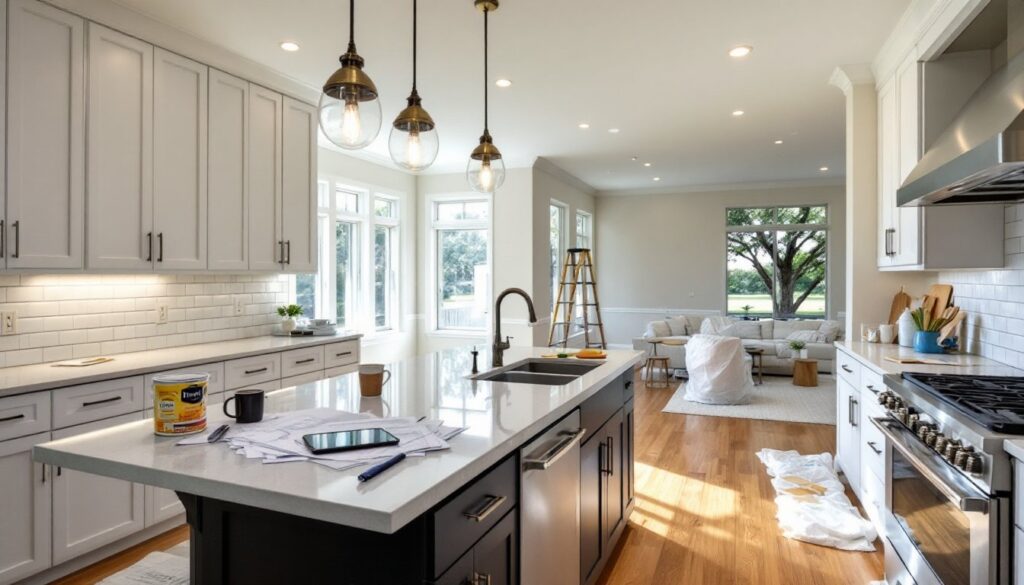
Kitchen remodels top the list for good reason: they deliver measurable ROI and transform daily living. In The Woodlands, the trend leans toward open-concept layouts, quartz or quartzite countertops, and shaker-style cabinetry in white, gray, or navy.
Expect to budget $25,000–$60,000 for a mid-range kitchen overhaul, depending on size and finishes. That typically includes new cabinets (or refacing), countertops, a tile backsplash, updated lighting, and appliances. If you’re relocating plumbing or gas lines, say, moving the range to an island, costs climb quickly due to permitting and labor.
Key considerations:
- Electrical upgrades: Older homes may need panel upgrades to support induction cooktops or multiple appliances. Code now requires GFCI outlets within six feet of sinks.
- Ventilation: Range hoods must exhaust to the exterior if the BTU output exceeds 400 CFM, per IRC. Recirculating hoods don’t cut it for serious cooking.
- Countertop materials: Quartz resists Houston’s humidity better than natural stone and doesn’t require sealing. Expect to pay $60–$100 per square foot installed.
DIY-friendly tasks include demo (if you’re careful around load-bearing walls), painting, and installing backsplash tile. Leave cabinet installation, plumbing, gas work, and electrical to licensed pros unless you’re experienced and pulling permits.
Bathroom Upgrades
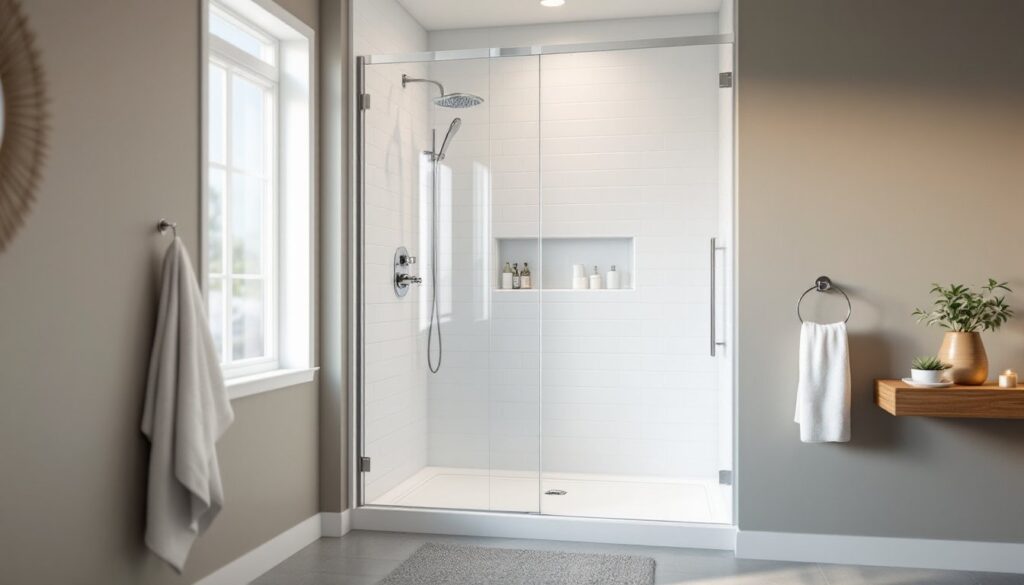
Bathroom remodels range from cosmetic refreshes to full gut jobs. Master bath expansions are especially popular in older Woodlands homes, where the original bath was often a cramped 5’×8′ space.
A full bathroom remodel typically runs $15,000–$35,000, covering tile work, vanity, fixtures, lighting, and ventilation. Expanding into an adjacent closet or bedroom adds framing, HVAC rerouting, and structural costs.
Critical details:
- Moisture management: Install a bathroom exhaust fan rated at 50–80 CFM (for baths up to 100 sq ft) that vents to the exterior, not the attic. Houston’s humidity demands proper ventilation to prevent mold.
- Waterproofing: Use a waterproof membrane (like Schluter Kerdi or RedGard) behind tile in wet areas. Skipping this step invites water damage and rot.
- Fixture rough-in: Standard toilet rough-in is 12″ from the wall to the center of the drain. Verify before ordering a new toilet, some older homes use 10″ or 14″.
- Lighting and outlets: GFCI protection required for all bathroom outlets per NEC. Include task lighting at the vanity (ideally flanking the mirror, not just overhead).
DIYers can handle tile work, vanity installation, and painting. Plumbing, electrical, and anything involving moving walls or drains should involve pros. Most bathroom work requires a permit in Montgomery County.
Planning Your Remodeling Budget and Timeline
Start with a realistic budget that includes a 15–20% contingency for surprises, and there will be surprises, especially in older homes. Finding outdated wiring, subfloor damage, or mold behind walls is common once demo begins.
Break your budget into categories: materials (40–50%), labor (35–45%), permits and fees (5–10%), and contingency. Using cost estimators can help benchmark pricing, but always get multiple local quotes. Material costs fluctuate: lumber and appliances have seen significant swings in recent years.
Typical timelines:
- Kitchen remodel: 6–12 weeks (longer if custom cabinets or structural changes)
- Bathroom remodel: 3–6 weeks
- Whole-home renovation: 4–6 months
Permit processing in Montgomery County typically adds 1–2 weeks upfront. Factor that into your start date.
Save money without sacrificing quality:
- Keep plumbing and gas lines in place. Moving them adds thousands in labor and permitting.
- Reface cabinets instead of replacing if the boxes are solid. New doors, drawer fronts, and hardware can transform a kitchen for a fraction of the cost.
- Handle demo yourself, carefully. Rent a dumpster, wear PPE (goggles, gloves, dust mask), and know which walls are load-bearing before swinging a sledgehammer.
- Shop overstock or discontinued tile, fixtures, and appliances. Lowe’s, Home Depot, and local suppliers often discount perfectly good materials.
Don’t cheap out on hidden systems: plumbing, electrical, HVAC, and waterproofing. Those failures are expensive and dangerous to fix later.
Navigating Local Permits and HOA Requirements in The Woodlands
The Woodlands operates under Montgomery County jurisdiction, which means you’ll need permits for:
- Structural changes (removing/adding walls, beams, or altering the roof)
- Electrical work (panel upgrades, new circuits, outlet additions)
- Plumbing (moving fixtures, water heater replacement, gas line work)
- HVAC installation or replacement
- Additions or significant exterior changes
Cosmetic work, paint, flooring, cabinet refacing, fixture swaps, typically doesn’t require a permit, but always verify with the county.
Pull permits through the Montgomery County Permit Office. Licensed contractors usually handle this, but DIYers can apply as owner-builders. Expect inspections at rough-in (before covering walls) and final stages. Skipping permits risks fines, failed home inspections at resale, and liability if something goes wrong.
HOA considerations:
The Woodlands has strict Community Association rules. Before starting any exterior work, roofing, siding, paint colors, fences, patios, or landscaping, submit an Architectural Review application. Approval can take 30–45 days.
Common HOA restrictions:
- Limited exterior color palettes (typically earth tones)
- Fence height and material requirements (often wood or composite, 6′ max)
- Restrictions on sheds, RV parking, and basketball hoops
- Rules on satellite dish placement and solar panel aesthetics
Violating HOA rules can result in fines and forced removal of non-compliant work. Always check covenants before finalizing plans. Interior remodels generally don’t require HOA approval unless they affect the exterior footprint or roofline.
Choosing the Right Materials for Houston’s Climate
Houston’s high humidity, heat, and occasional freezes demand materials that resist moisture, thermal expansion, and mold. Here’s what holds up:
Flooring:
- Luxury vinyl plank (LVP): Waterproof, durable, and comfortable underfoot. Ideal for kitchens, baths, and basements. Avoid solid hardwood in high-moisture areas.
- Porcelain or ceramic tile: Excellent for entryways, baths, and kitchens. Choose rectified tile with tight grout lines for a modern look. Seal grout with a penetrating sealer to resist mildew.
- Engineered hardwood: More dimensionally stable than solid wood in humid climates. Acclimate planks in the home for 48–72 hours before installation.
Countertops and cabinetry:
- Quartz countertops: Non-porous, no sealing required, resists heat and stains. Outperforms granite in humid environments.
- Plywood cabinet boxes: Resist warping better than particleboard. Look for ¾” plywood construction with dovetail or dowel joinery.
Insulation and moisture control:
- Spray foam insulation: Creates an air seal and vapor barrier in attics. Closed-cell foam (R-6 per inch) is pricier but more moisture-resistant than open-cell (R-3.5 per inch).
- Vapor barriers: Install them correctly, on the warm side of insulation in Houston’s climate (typically interior side of exterior walls). Improper placement traps moisture and causes mold.
- Low-E windows: Reflect heat while allowing light. Double-pane, argon-filled windows with Low-E coatings cut cooling costs significantly.
Exterior materials:
- Fiber cement siding: Resists rot, termites, and warping better than wood or vinyl. Brands like James Hardie dominate the Houston market for good reason.
- Composite decking: Won’t splinter, rot, or require annual staining like wood. Choose one with a capped surface (like Trex or TimberTech) for better stain and fade resistance.
- Metal roofing: Lasts 40–70 years and reflects heat. More expensive upfront than asphalt shingles but pays off in longevity and energy savings.
Paint and finishes:
- Use mildew-resistant paint in bathrooms and kitchens. Semi-gloss or satin finishes clean easier than flat.
- Prime everything, especially new drywall and wood, before painting. Houston’s moisture will telegraph stains and tannins if you skip primer.
Don’t rely on big-box staff for climate-specific advice. Consult local contractors or resources like project planning guides who understand Southeast Texas conditions. Materials that work in Phoenix or Boston often fail here.
The Woodlands’ mix of mature trees and canal-front properties also means factoring in drainage. Ensure grading slopes away from foundations, install gutters with proper downspout extensions, and consider French drains if you’re expanding patios or hardscaping.