Table of Contents
ToggleScrolling through Pinterest boards won’t tell you if that quartz countertop feels cold to the touch or if those matte black cabinet pulls actually resist fingerprints. A home remodeling showroom offers something no screen can deliver: the ability to see, touch, and compare materials before committing thousands of dollars to a renovation. Whether planning a full kitchen overhaul or a bathroom refresh, visiting showrooms in person helps homeowners avoid costly mistakes and discover products they didn’t know existed. This guide walks through finding the right showrooms, what to expect during visits, and how to turn browsing into actionable project plans.
Key Takeaways
- Visiting a home remodeling showroom allows you to see, touch, and compare actual materials under proper lighting before investing thousands in renovation projects.
- Find the best showrooms near you through manufacturer dealer locators, local contractor recommendations, big-box retailers, and online platforms like Houzz that filter by specialty.
- Home remodeling showroom staff provide local expertise about product availability, lead times, custom options, and contractor referrals that online research cannot match.
- Prepare for showroom visits by bringing project measurements, photos, floor plans, and budget information so staff can provide tailored recommendations.
- Take samples home, photograph products with tags visible, request spec sheets and lead times, and collect contact information from helpful consultants to guide your project decisions.
- Compare pricing across multiple sources while considering that showroom price-matching, package discounts, installation support, and warranty service often provide better overall value than online retailers alone.
Why Visit a Home Remodeling Showroom Before Your Next Project
Photos and online specs rarely capture the true weight, texture, or finish of building materials. A brushed nickel faucet might photograph identically to stainless steel, but in person, the color temperature and reflectivity differ significantly. Showrooms let homeowners compare materials side-by-side under proper lighting, which matters when coordinating finishes across multiple fixtures.
Seeing full-scale installations changes perspective. A 36-inch vanity looks reasonable on paper, but standing in front of a floor model reveals whether the drawer configuration works for actual storage needs. Kitchen vignettes show how cabinet depth affects workflow space, and tile displays demonstrate how 12×24-inch planks versus 6×6-inch mosaics alter a room’s visual proportions.
Showroom staff bring expertise that online research can’t match. They know which quartz fabricators in the area cut custom edge profiles, which tile lines are currently backordered six weeks, and which cabinet manufacturers offer semi-custom modifications without full custom pricing. That local knowledge prevents ordering materials that won’t arrive on schedule or hiring contractors unfamiliar with specific product lines.
Many showrooms maintain relationships with vetted installers and contractors. While homeowners should always check licenses and references independently, these referrals often connect DIYers with professionals experienced in the showroom’s product lines, helpful when a project like gas line relocation requires licensed work.
How to Find the Best Remodeling Showrooms in Your Area
Start with manufacturer websites for specific products already under consideration. Brands like Kohler, Delta, Moen, and American Standard maintain dealer locators showing authorized showrooms carrying their full product lines. This approach works well when homeowners already know they want a particular faucet series or toilet model and need to see finish options in person.
Local contractor and designer networks often yield showroom recommendations. Asking a trusted general contractor or kitchen designer which showrooms they use for client selections reveals spaces stocked with professional-grade materials rather than builder-grade basics. These showrooms typically carry products contractors rely on for durability and warranty support.
Big-box retailers like Lowe’s Home Improvement operate extensive showroom sections within their stores, offering kitchen and bath displays, flooring samples, and door galleries. While selection may focus on mid-range products, these locations provide convenient access to compare multiple brands without appointments.
Online platforms such as Houzz professional directories and similar services list showrooms with user reviews, photos, and contact information. Filtering by specialty, kitchen and bath, tile, flooring, lighting, helps narrow options before driving across town. Reading reviews reveals which showrooms welcome DIYers versus those focused exclusively on trade professionals.
What to Expect When You Visit a Showroom
Most showrooms operate by appointment for personalized consultations, though some welcome walk-ins during business hours. Calling ahead confirms whether the space is open to the public or trade-only. Bringing project measurements, photos of the existing space, and any paint chips or material samples already selected helps staff provide relevant recommendations.
Expect to see vignettes, fully installed kitchen or bathroom setups demonstrating how cabinets, countertops, backsplashes, and fixtures work together. These displays show realistic proportions and help visualize how individual components combine. Touching cabinet door samples reveals the difference between thermofoil, laminate, and painted wood finishes in terms of texture and durability.
Many showrooms stock sample boards or small material chips that homeowners can take home for comparison under their own lighting. Granite, quartz, tile, and flooring samples look different under warm incandescent versus cool LED bulbs, so testing materials in the actual room prevents mismatched selections.
Staff may offer design services ranging from free layout consultations to paid full-project design. Understanding which services cost money upfront avoids surprises. Some showrooms credit design fees toward product purchases, while others charge flat rates regardless of whether the homeowner buys materials there. Clarifying these details during the first visit sets clear expectations.
Be honest about budget and DIY skill level. If planning to install cabinets personally rather than hiring out, mention that, showroom staff can point toward frameless cabinets with easier installation systems or warn when a product requires professional handling. Experienced consultants distinguish between projects a confident DIYer can tackle and those requiring licensed trades.
Types of Remodeling Showrooms to Explore
Different showrooms specialize in specific trades and product categories. Visiting multiple types provides comprehensive material research before finalizing project plans.
Kitchen and Bath Showrooms
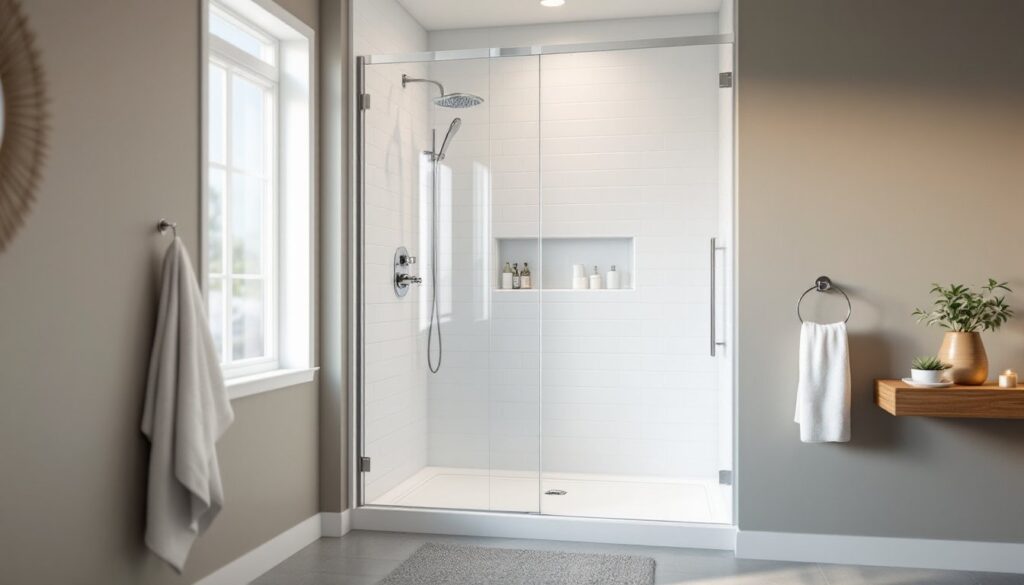
These spaces focus on cabinets, countertops, sinks, faucets, bathtubs, showers, and vanities. Full-scale kitchen displays show how cabinet configurations accommodate appliances, reveal toe-kick heights (typically 4 inches), and demonstrate how crown molding or under-cabinet lighting affects the overall look. Bath vignettes often include working shower valves so homeowners can test water pressure and spray patterns before committing to a rain showerhead or handheld combo.
Cabinet showrooms carry door style samples in dozens of finishes, from shaker-style painted maple to slab-front walnut. Staff explain construction differences between face-frame and frameless (European-style) cabinets, discuss soft-close hinge upgrades, and show drawer box construction, dovetail joinery versus doweled corners affects long-term durability.
Countertop sections display full slabs of granite, quartz, quartzite, and marble, revealing the natural variation within each material. Quartz offers consistency, while granite slabs vary dramatically even within the same color family. Seeing full slabs prevents surprises when the fabricator templates the actual kitchen.
For homeowners working on broader projects, attending home improvement classes can build skills to complement professional installations.
Flooring and Tile Showrooms
Flooring specialists stock hardwood, engineered wood, luxury vinyl plank (LVP), laminate, tile, and natural stone. Walking on installed samples reveals how different materials feel underfoot, important for spaces like kitchens where people stand for extended periods. LVP with thick wear layers (20-mil or greater) feels more substantial than budget options with 6-mil wear layers.
Tile showrooms display ceramic, porcelain, glass, natural stone, and cement tile in formats from tiny 1-inch hex mosaics to 24×48-inch large-format planks. Seeing tiles installed with actual grout lines (typically 1/16-inch for rectified tiles, 1/8 to 1/4-inch for standard tiles) shows how grout color affects the overall pattern. Staff explain the difference between glazed and unglazed tiles, discuss PEI ratings (hardness for floor tiles), and recommend sealers for porous materials like marble or travertine.
Many tile showrooms offer layout services using project dimensions to calculate exact quantities including 10% overage for cuts and breakage. This service prevents under-ordering on specialty tiles with long lead times. Platforms like ImproveNet provide additional resources for estimating material quantities and project costs.
Making the Most of Your Showroom Visit
Preparation turns browsing into productive research. Measure the project space carefully, know exact wall lengths, ceiling heights, and locations of electrical outlets, plumbing rough-ins, and HVAC vents. Bring a floor plan sketch, even a rough one, showing door swings and window placements. This information helps staff recommend appropriately scaled products.
Photograph everything worth remembering. Snap cabinet door styles with product tags visible, tile installations showing grout color, and lighting fixtures from multiple angles. Most showrooms allow photography for personal use. These images become reference points when comparing options across multiple visits or showrooms.
Ask about lead times for every product under serious consideration. A backordered faucet or tile on a 12-week ship schedule derails project timelines. Understanding which items are in-stock versus special-order helps sequence purchases and contractor scheduling.
Request product spec sheets and installation instructions. These documents reveal critical details like the required minimum cabinet width for a farmhouse sink, substrate requirements for large-format tile, or electrical specifications for a hardwired vanity light. Reviewing installation requirements before purchase prevents discovering a product won’t work in the existing space.
Collect business cards from helpful staff members. Building a relationship with a knowledgeable consultant pays off when questions arise during the project. They can troubleshoot issues, clarify product compatibility, and often expedite orders when timelines tighten.
Compare pricing across multiple sources, but don’t assume online retailers always beat showroom prices. Many showrooms price-match or offer package discounts when purchasing multiple products together. Installation support, return policies, and warranty service through a local showroom sometimes outweigh modest price differences. For broader project planning and contractor connections, resources like those found through Lowe’s Home Improvement provide starting points.
Take notes on product names, manufacturers, and specific model numbers. “That gray quartz” becomes impossible to reorder without the manufacturer name (Caesarstone, Cambria, Silestone) and color designation (Misty Carrera, Britannica, Helix). Detailed notes prevent confusion when finalizing selections weeks later.