Table of Contents
ToggleMenlo Park’s mix of mid-century ranchers, Eichler homes, and updated Craftsman bungalows offers homeowners a unique canvas for remodeling. Whether you’re opening up a galley kitchen, converting a garage into an ADU, or finally tackling that cramped master bath, understanding the local landscape, from permit timelines to contractor availability, makes the difference between a smooth project and a six-month headache. This guide walks through the practical realities of remodeling in this Silicon Valley suburb, from budgeting and code compliance to choosing between DIY and hiring pros.
Key Takeaways
- Home remodeling in Menlo Park typically costs $50,000–$80,000 for kitchens and $25,000–$45,000 for bathrooms, with labor rates running $75–$150 per hour in this premium Bay Area market.
- Menlo Park’s mid-century homes are ideal candidates for remodeling due to solid bones, generous lot sizes (6,000–10,000 sq ft), and strong property values that support ROI of 60–80% on kitchen and bathroom upgrades.
- Permits are required for structural changes, electrical work, plumbing modifications, and mechanical systems—expect 4–8 weeks for standard project review, plus additional design review in historic overlay districts.
- Always verify your contractor’s California Contractor State License Board credentials and request detailed written contracts specifying scope, timeline, payment terms (no more than 10% upfront), and warranty coverage.
- DIY works for cosmetic updates and demolition prep, but hire licensed professionals for structural work, electrical, plumbing, gas lines, and waterproofed wet areas to ensure code compliance and avoid costly mistakes.
- Energy efficiency upgrades like attic insulation, low-E windows, and heat pump HVAC systems qualify for state and federal tax credits while reducing utility costs in California’s climate.
Why Menlo Park Homes Are Perfect for Remodeling
Menlo Park’s housing stock leans heavily toward homes built between the 1940s and 1970s, meaning many properties feature solid bones but outdated layouts and finishes. Single-story floor plans with compartmentalized rooms are common, and they’re ideal candidates for opening up walls to create modern open-concept living spaces. Just verify which walls are load-bearing before swinging a sledgehammer, most homes will need an engineer’s stamp if you’re removing studs that carry roof or second-story loads.
Lot sizes in established neighborhoods like Suburban Park and Allied Arts tend to be generous by Bay Area standards, often 6,000 to 10,000 square feet. That extra land opens up opportunities for additions, ADUs (accessory dwelling units), or expanded outdoor living areas. ADUs are particularly attractive given California’s streamlined approval process under state law, though Menlo Park still requires plan review and building permits.
Property values in Menlo Park remain strong, which means strategic remodels typically deliver solid returns. Kitchen and bathroom upgrades routinely recoup 60–80% of their cost at resale, and energy-efficient improvements, like dual-pane windows, updated HVAC systems, and insulation upgrades, appeal to buyers who expect modern performance standards in a premium market.
Planning Your Menlo Park Home Remodeling Project
Setting a Realistic Budget
Menlo Park sits in one of the country’s most expensive remodeling markets. Labor rates for licensed contractors typically run $75–$150 per hour depending on trade and project complexity, and material costs reflect Bay Area premiums on everything from lumber to tile. A mid-range kitchen remodel often starts around $50,000–$80,000, while full bathroom renovations range from $25,000–$45,000.
Build in a 15–20% contingency for surprises. Older homes frequently hide outdated wiring that doesn’t meet current NEC (National Electrical Code) standards, undersized plumbing vents, or foundation settling that needs addressing once walls are open. National platforms like HomeAdvisor provide cost calculators, but always adjust upward for Bay Area labor and permitting costs.
Get at least three detailed bids before committing. Line-item estimates let you compare apples to apples and spot where one contractor might be cutting corners or another padding numbers. Don’t automatically choose the lowest bid, cheap often means unlicensed subs or materials that won’t last.
Understanding Local Permits and Regulations
Menlo Park’s Building Division requires permits for most remodeling work beyond cosmetic updates. Expect permits for:
- Structural changes: Removing or altering load-bearing walls, adding square footage, or modifying rooflines.
- Electrical work: Upgrading panels, adding circuits, or relocating outlets (must be performed by a licensed electrician).
- Plumbing modifications: Moving fixtures, adding bathrooms, or replacing water heaters.
- Mechanical systems: HVAC installation or replacement.
Permit review timelines vary but budget 4–8 weeks for standard projects and longer for complex submissions. ADU permits fall under California’s streamlined process, which limits city review periods, but you’ll still need engineered plans and Title 24 energy compliance documentation.
Historic overlay districts, particularly around downtown, carry additional design review requirements. If your home is in one of these zones, exterior changes, including window replacements, siding, or roofline alterations, need approval from the city’s Historic Preservation Committee. Skipping permits is a gamble that can complicate resale and leave you liable if work doesn’t meet code.
Most Popular Remodeling Projects for Menlo Park Homeowners
Kitchen remodels top the list, often focused on removing walls between kitchen and dining areas to create open sight lines to living spaces. Homeowners frequently upgrade to quartz or quartzite countertops (more durable and lower-maintenance than marble), install soft-close cabinetry with full-extension drawer slides, and add pendant lighting over islands. Don’t forget to plan for a dedicated 20-amp small appliance circuit for countertop outlets, required by code and essential for modern kitchens.
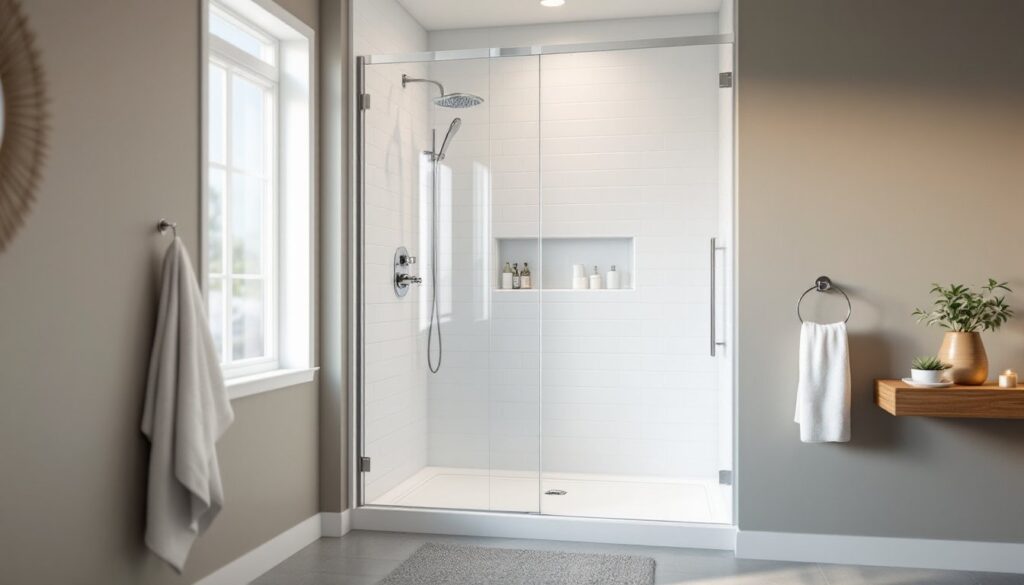
Bathroom upgrades typically involve replacing builder-grade fixtures with water-efficient models (California mandates 1.28-gallon toilets and 2.0-gpm showerheads), installing heated floors, and swapping tub-shower combos for walk-in tile showers with frameless glass enclosures. Proper waterproofing, RedGard or Schluter membranes behind tile, isn’t optional: moisture intrusion leads to mold and rot.
ADU conversions continue gaining traction as homeowners look to add rental income or multigenerational living space. Detached ADUs (new structures) offer more design freedom but cost more, figure $200–$350 per square foot all-in. Garage conversions are cheaper but require adding covered parking elsewhere on the lot to meet city requirements.
Energy efficiency upgrades make practical sense given California’s climate goals and utility costs. Adding R-30 to R-38 attic insulation, replacing single-pane windows with low-E dual-pane units, and upgrading to heat pump HVAC systems qualify for state and federal tax credits. Services like Angi include contractor directories filtered by specialty if you need pros experienced with energy retrofit projects.
Finding the Right Remodeling Professionals in Menlo Park
Start by verifying California Contractor State License Board (CSLB) credentials. Every contractor performing work over $500 in combined labor and materials must hold an active license. Check license status, bonding, and complaint history at cslb.ca.gov. A clean record doesn’t guarantee quality, but a history of complaints or lapsed insurance is a red flag.
Ask for recent local references, ideally projects completed within the past year in Menlo Park or nearby Palo Alto, Atherton, or Redwood City. Building codes and inspector expectations vary between jurisdictions, and contractors familiar with Menlo Park’s building department navigate the process more smoothly.
Request detailed written contracts that specify:
- Scope of work with materials listed by brand and grade (e.g., “Kohler Wellworth toilet, model K-3987” not “standard toilet”).
- Timeline with milestones tied to payment draws.
- Payment schedule, never pay more than 10% upfront or in advance of work completed (California law caps initial deposits at $1,000 or 10%, whichever is less, for projects under $5,000).
- Permit responsibility, confirm who pulls permits and schedules inspections.
- Warranty terms on both labor and materials.
Platforms like ImproveNet aggregate contractor profiles and cost guides, but still vet candidates independently. Personal referrals from neighbors who’ve completed similar projects remain one of the most reliable ways to find solid pros.
DIY vs. Professional Remodeling: What Works Best
DIY makes sense for:
- Cosmetic updates: Painting (interior walls, trim, cabinets), installing peel-and-stick backsplash, replacing cabinet hardware, or upgrading light fixtures that don’t require new wiring.
- Demolition prep: Stripping old flooring, removing non-load-bearing walls (after verification), or pulling out dated fixtures before the pros arrive saves labor costs.
- Finish work: Installing baseboards, door casings, or closet organizers if you’ve got basic carpentry skills and a miter saw for clean angle cuts.
Always wear appropriate PPE, safety glasses, dust masks (N95 for drywall dust or sanding), and gloves. Rent a dumpster for demolition debris: don’t underestimate how fast a small bathroom tearout fills a pickup truck.
Hire professionals for:
- Anything structural: Load-bearing wall removal, foundation work, or roof modifications require engineered plans and inspections.
- Electrical and plumbing: California requires licensed tradespeople for permitted work. DIY electrical beyond replacing a light switch or outlet risks code violations, failed inspections, and serious safety hazards.
- Gas line work: Only licensed plumbers or gas fitters can legally touch gas piping, this is non-negotiable.
- Tile showers and wet areas: Proper waterproofing and sloped shower pans require experience: mistakes lead to expensive water damage.
Some homeowners split the difference, handling demo and finish work while hiring out the technical rough-in. This works if you can coordinate schedules and understand that any DIY mistakes become the contractor’s problem to fix, sometimes at your expense. Be realistic about your skill level and available time. A kitchen remodel that drags on for six months because you’re working weekends creates more stress than the money saved is worth.